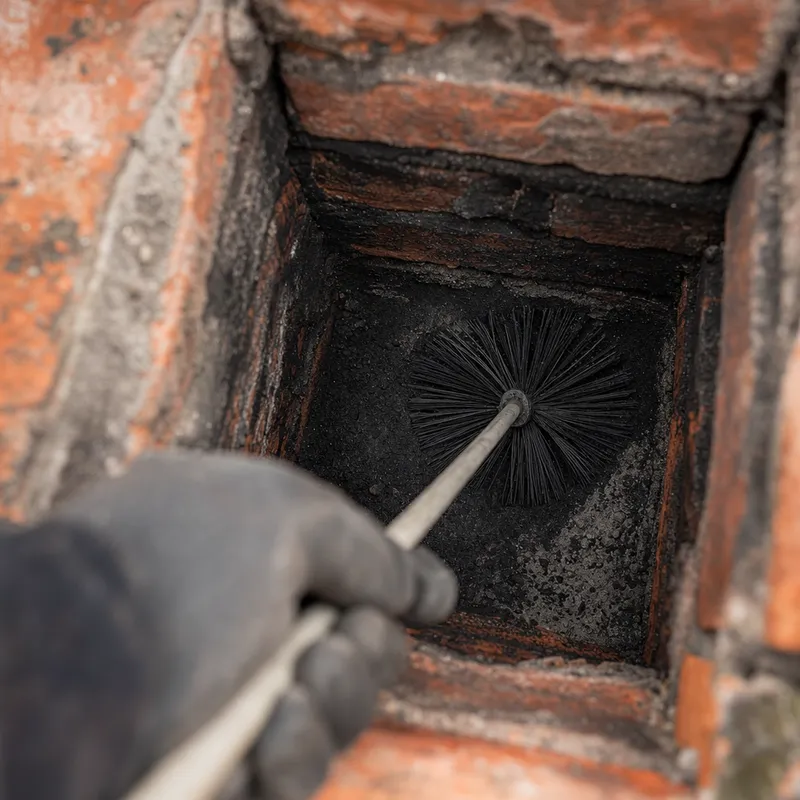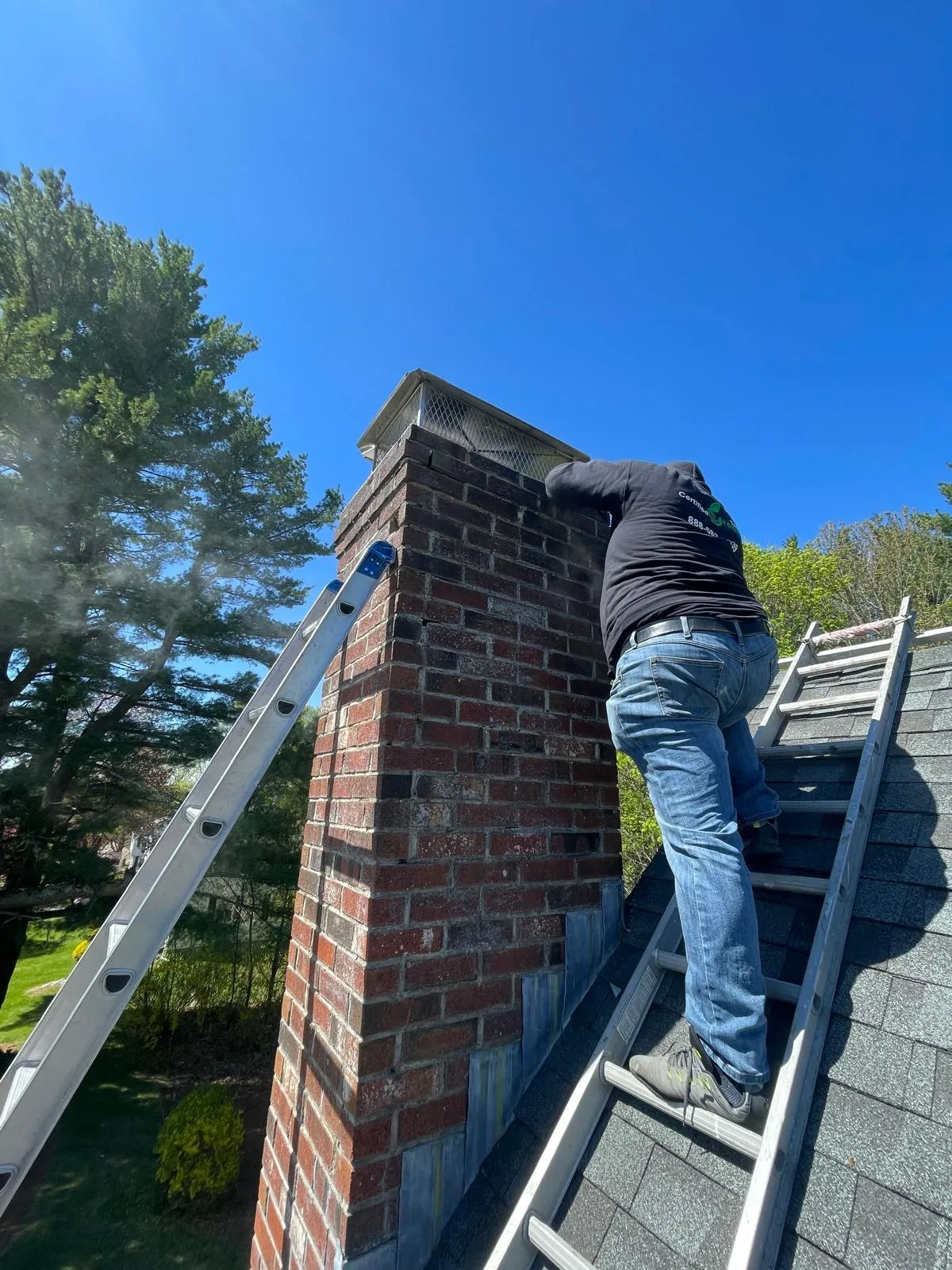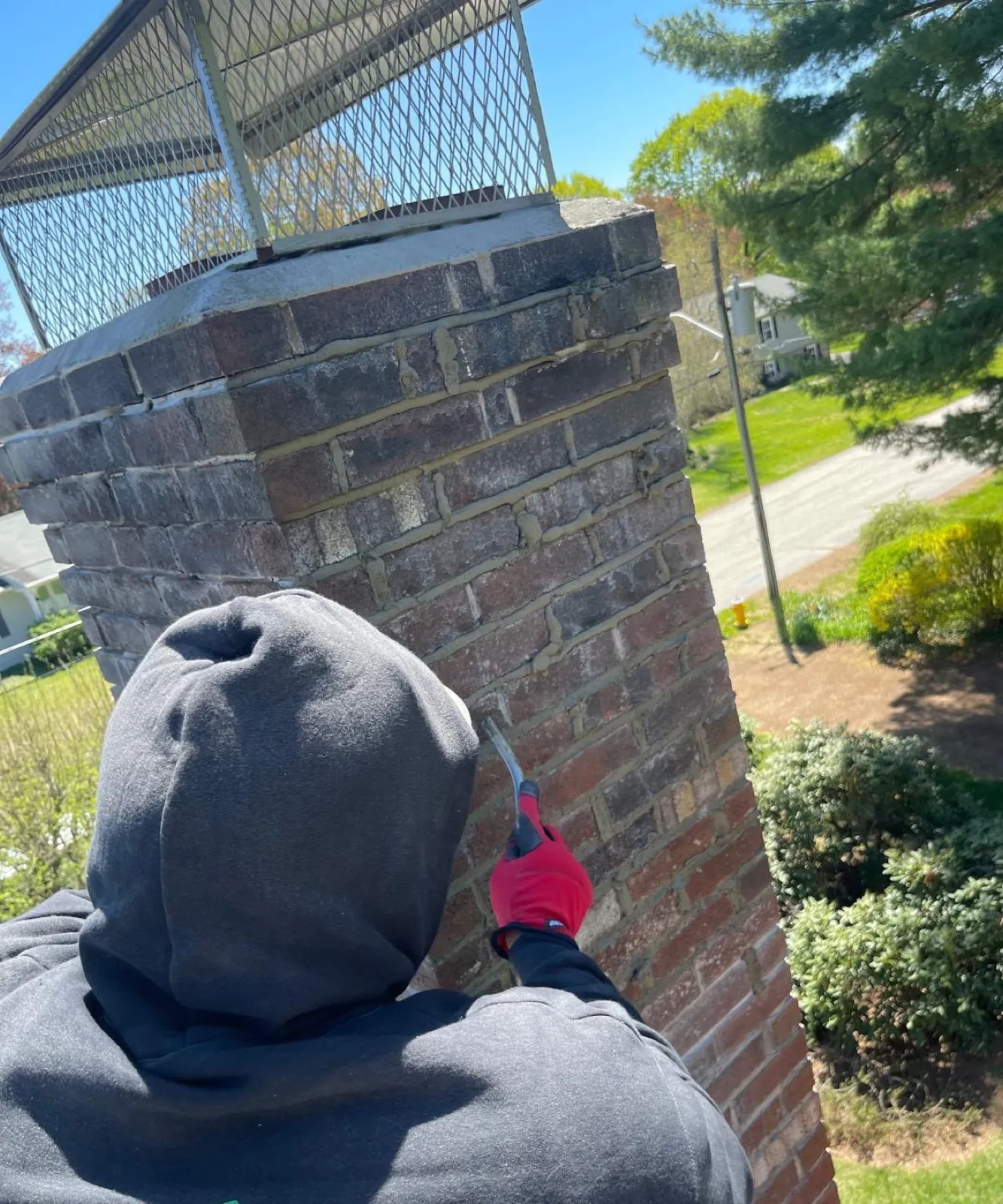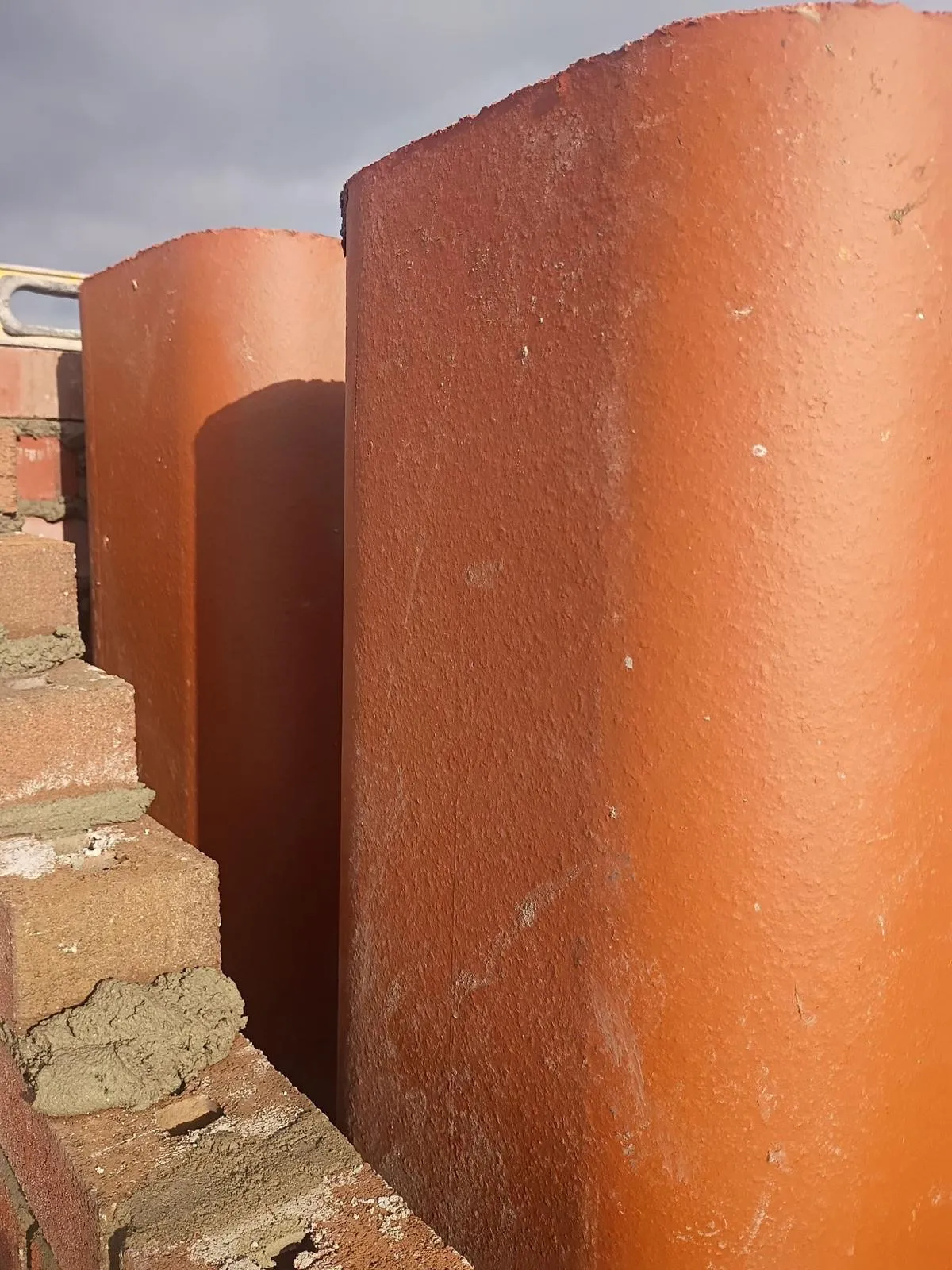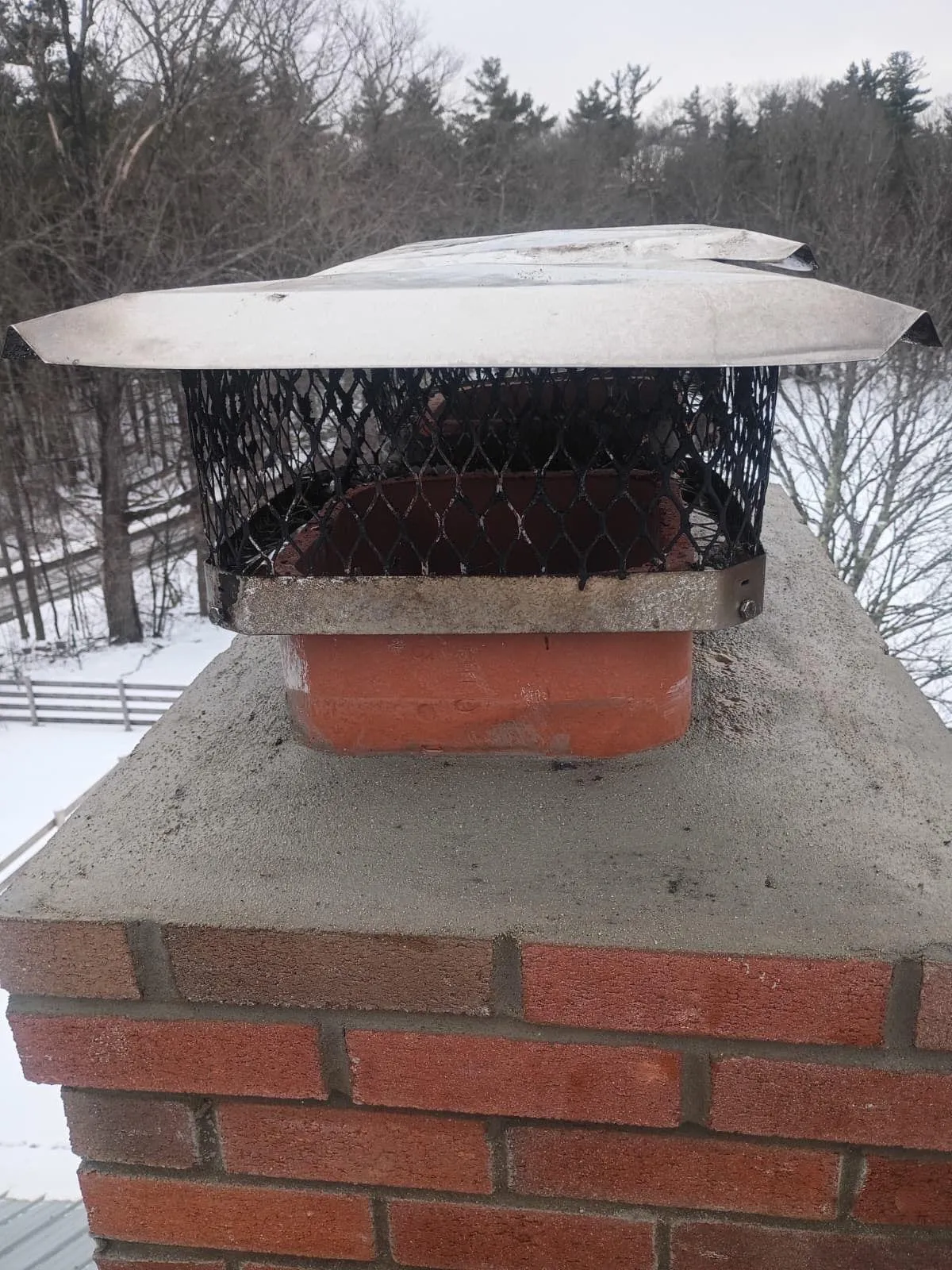
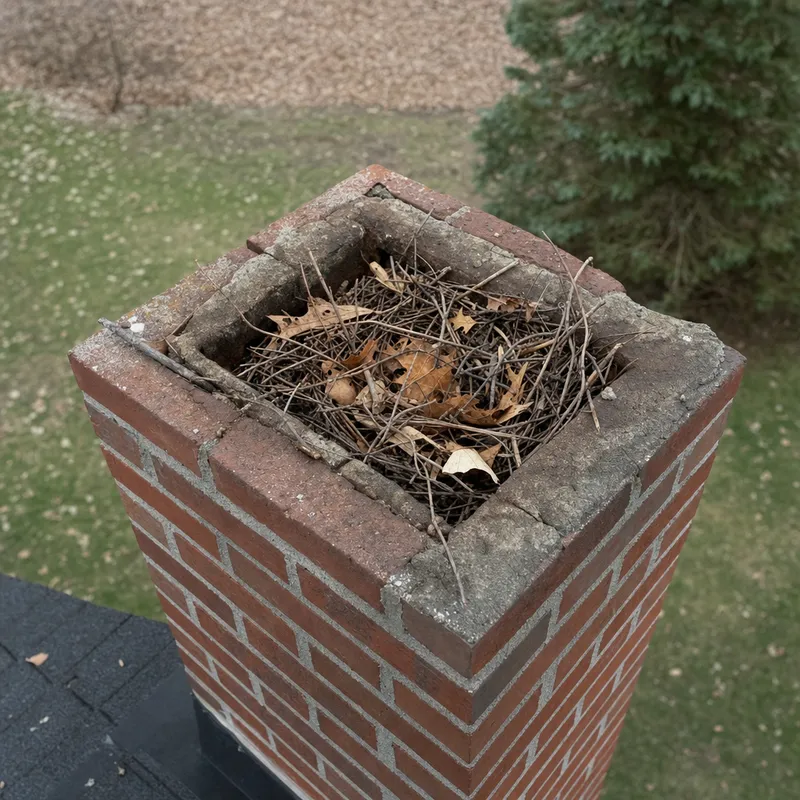
Birds, squirrels, raccoons, and bats treat an unprotected flue like an open invitation, and the nests they leave behind can block airflow and even catch fire. Quick Chimney sends a technician to get the animal out safely, strip away every trace of nesting material, and close off the entry point so you are not dealing with the same problem next season. Fast response, tidy professional work, anywhere in the USA.
What is included
- Humane handling of birds, squirrels, raccoons, and other intruders
- Nests, droppings, and blockages cleared from top to bottom
- Interior flue and damper inspection for chew marks and damage
- Chimney cap fitted with mesh screening to keep wildlife out
- Odor neutralizing treatment where animals have nested
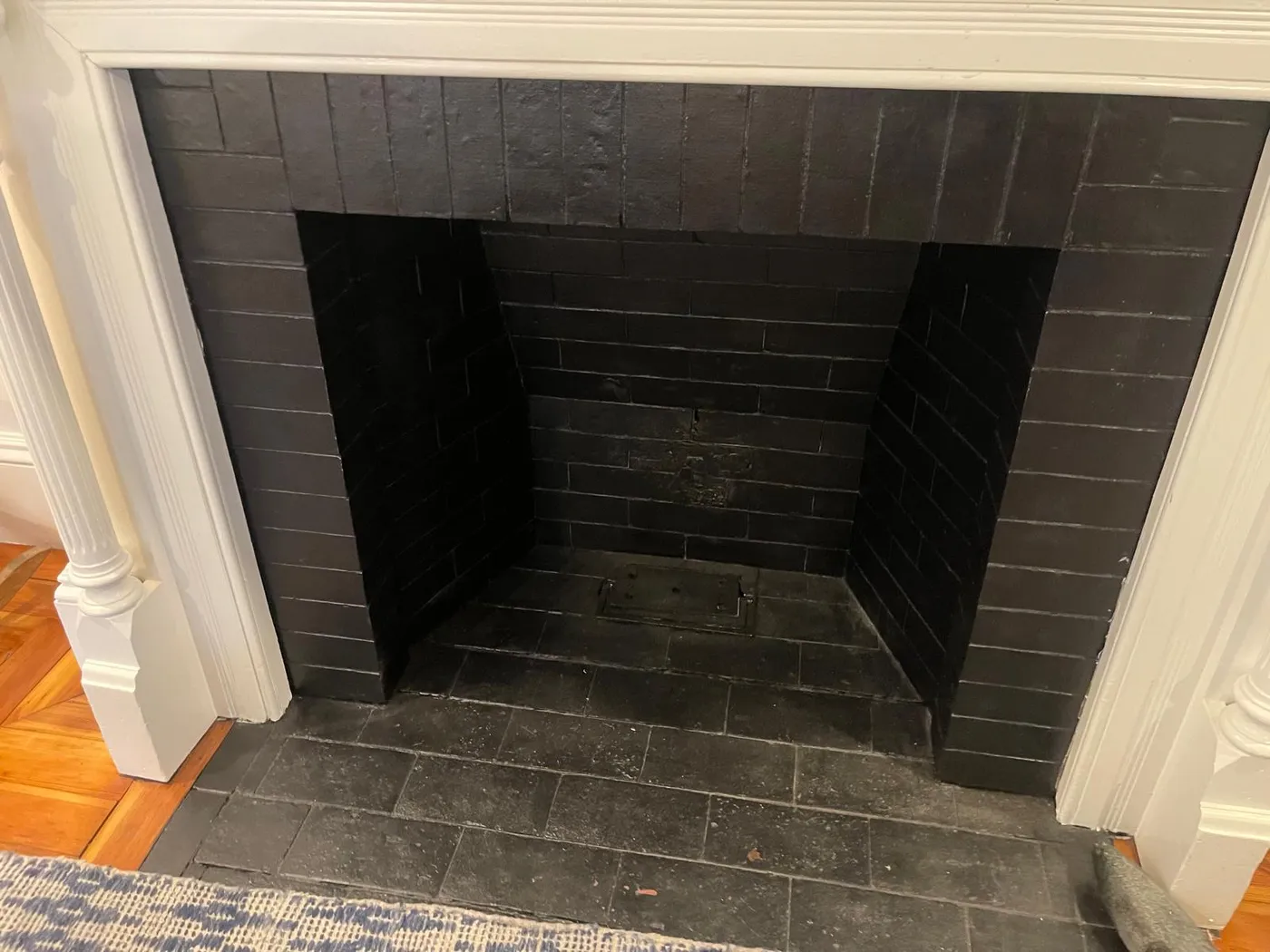
- Cleanup of the firebox and surrounding hearth before we leave
Signs you might need this
- Fluttering, scurrying, or thumping sounds above the damper
- A persistent musky smell near the fireplace that worsens in humid weather
- Bits of nest showing up on the smoke shelf or hearth
- Smoke drifting back into the room when you light a fire
- A missing or damaged cap at the top of the stack
Frequently asked questions
How do you get an animal out of a chimney?
Our technician first identifies what has moved in, then uses humane methods to encourage it to leave on its own or removes it safely by hand with the right equipment. Once the flue is empty, we clear out the nesting material and install a screened cap so wildlife cannot return.
Can I use my fireplace if I hear animals in the chimney?
No. Lighting a fire can injure the animal and push smoke back into your home, and dry nesting material packed in the flue can ignite. Keep the damper closed and schedule a removal before you burn anything.
What happens if there are baby animals in the chimney?
Some species raise their young in chimneys seasonally, and certain birds are protected by federal law while nesting. We assess the situation on site and choose an approach that resolves the problem legally and humanely, which can mean timing the work around when the young are able to leave.