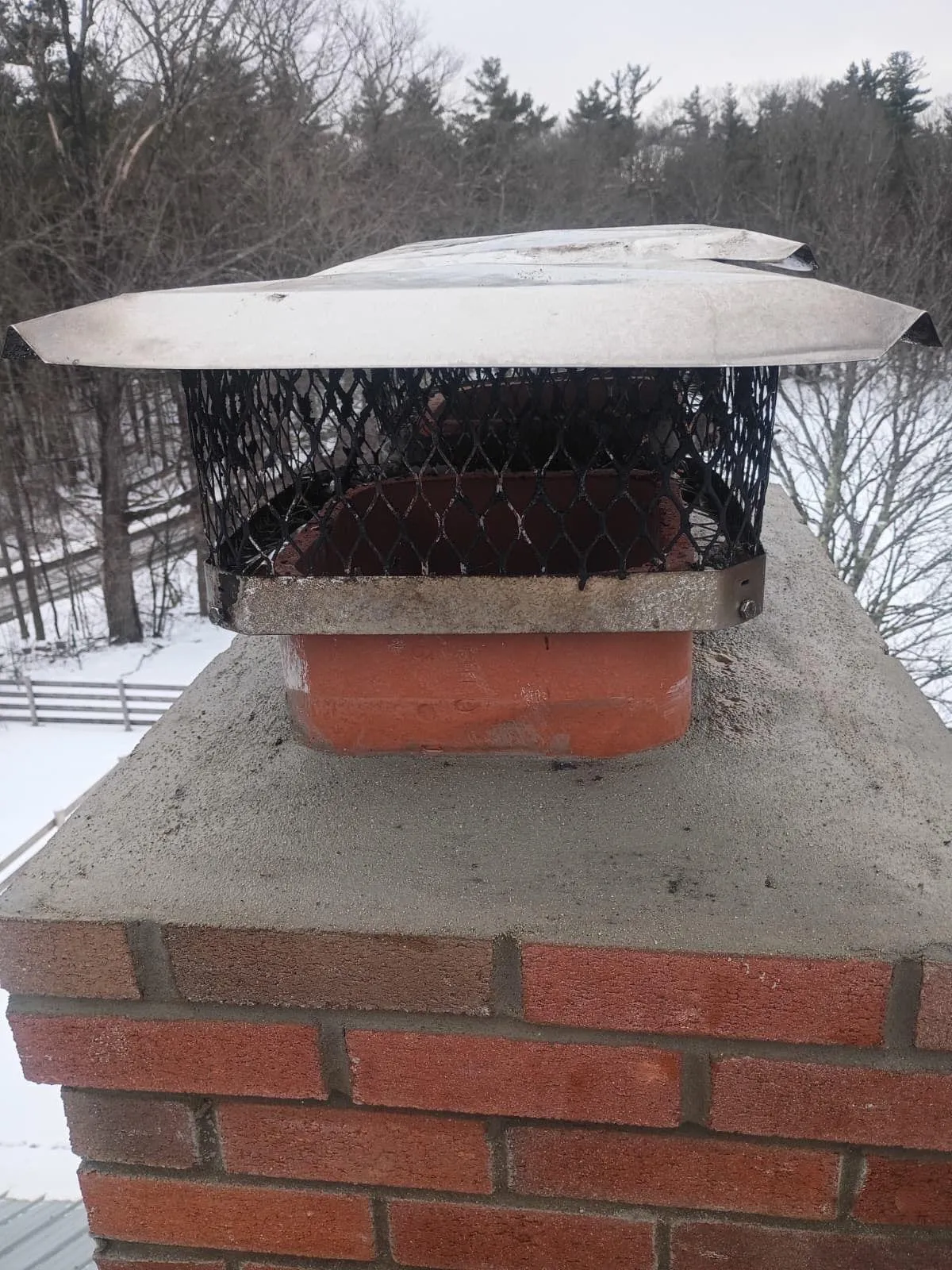
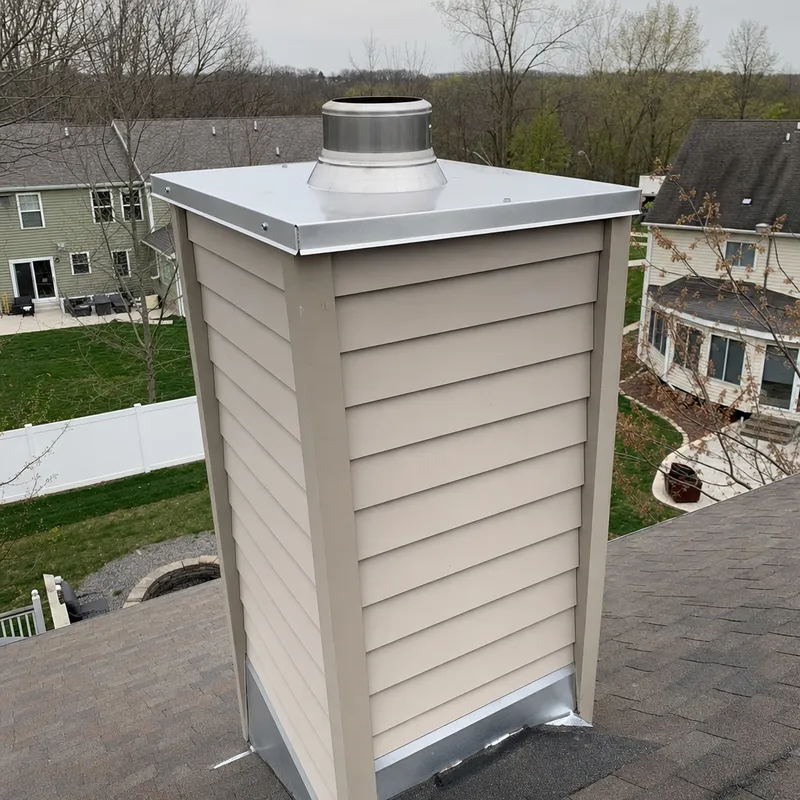
The chase cover is the metal pan that seals the top of a framed chimney, and when it rusts or warps, water heads straight for your flue and framing. Quick Chimney replaces failing chase covers with properly measured, corrosion-resistant pans that shed water instead of pooling it. It is a fast fix that protects everything below it.
What is included
- Inspection of the existing chase cover, flashing, and chase top
- Precise on-site measurements for an accurate replacement fit
- Removal and disposal of the old rusted or damaged cover
- Installation of a new corrosion-resistant chase cover with a cross-break pitch to shed water
- Sealing around flue penetrations and fastener points
- Final water-shedding check and cleanup before we leave
Signs you might need this
- Rust streaks or orange staining running down the chimney siding
- Standing water or visible pooling on top of the chase
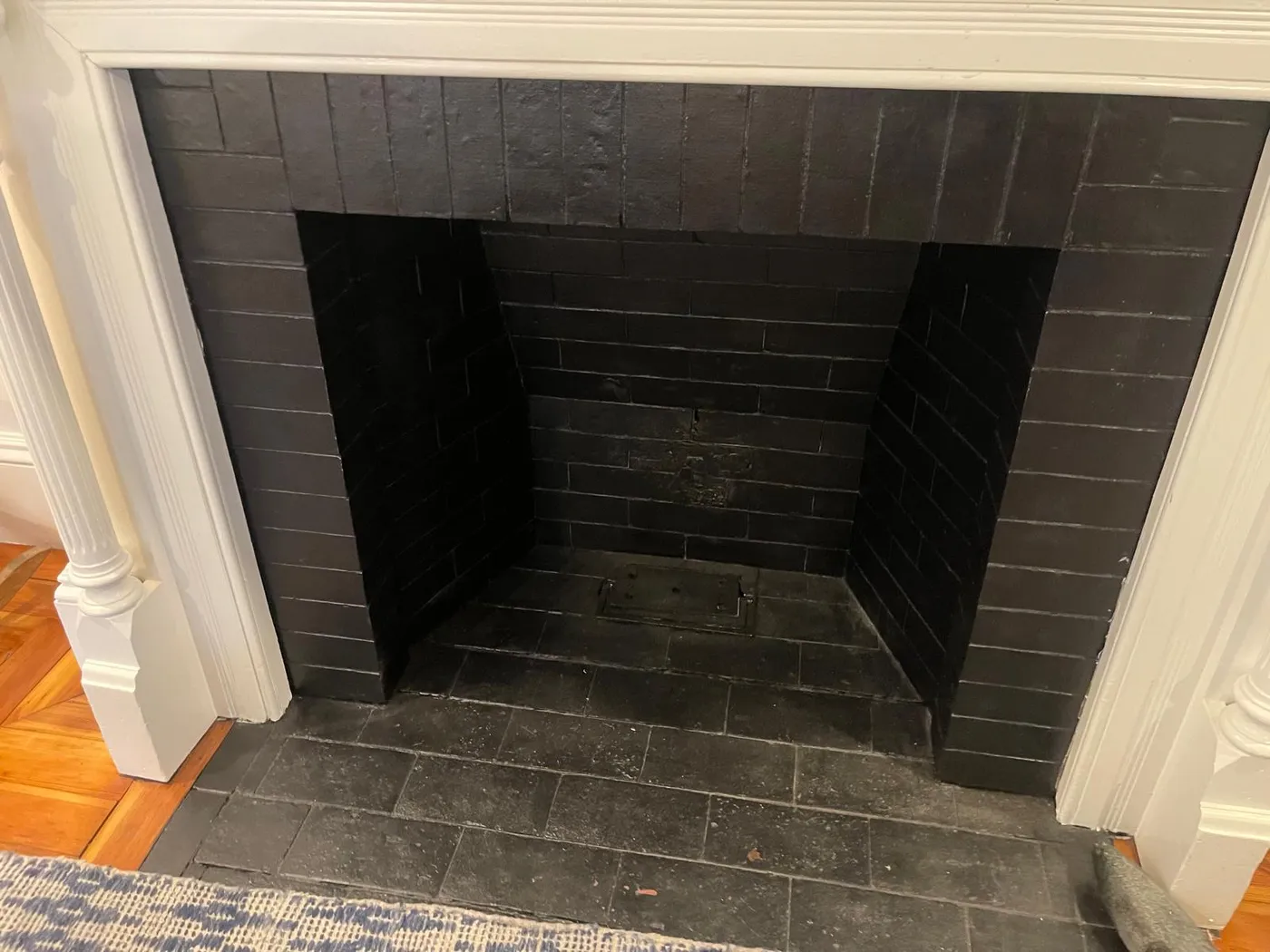
- Water dripping into the firebox or stains on the ceiling near the chimney
- Visible holes, pitting, or flaking metal on the cover
- A cover that flexes, rattles, or has popped fasteners in the wind
Frequently asked questions
What is a chimney chase cover?
A chase cover is the flat metal pan that caps a framed, sided chimney structure, called a chase. It surrounds the flue pipe and is the main barrier keeping rain and snow out of the chase. When it fails, water gets into the framing, the flue, and sometimes the rooms below.
How do I know my chase cover needs replacing instead of repair?
Light surface rust can sometimes be cleaned and sealed, but once a cover has pitting, holes, or pooling water from a sagging center, replacement is the reliable fix. Patches on rusted galvanized steel rarely hold for long. We inspect the cover first and tell you plainly which situation you have.
What materials do you use for replacement chase covers?
We typically fabricate replacement covers from corrosion-resistant metals such as stainless steel or aluminum, sized to your exact chase dimensions. New covers are made with a cross-break, a slight pitch in the metal, so water runs off instead of pooling in the middle the way it does on flat, aging pans.