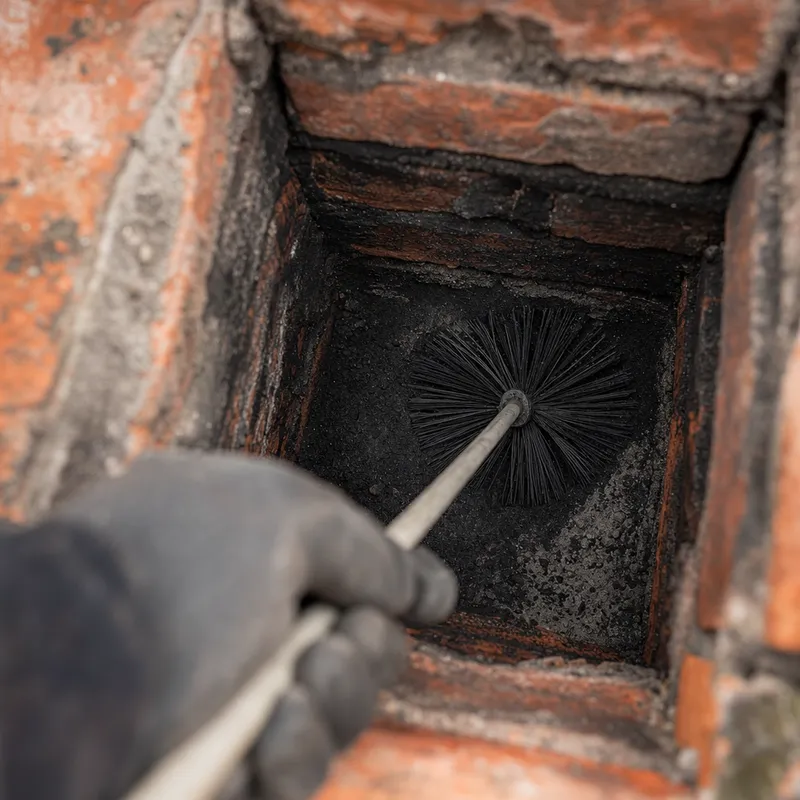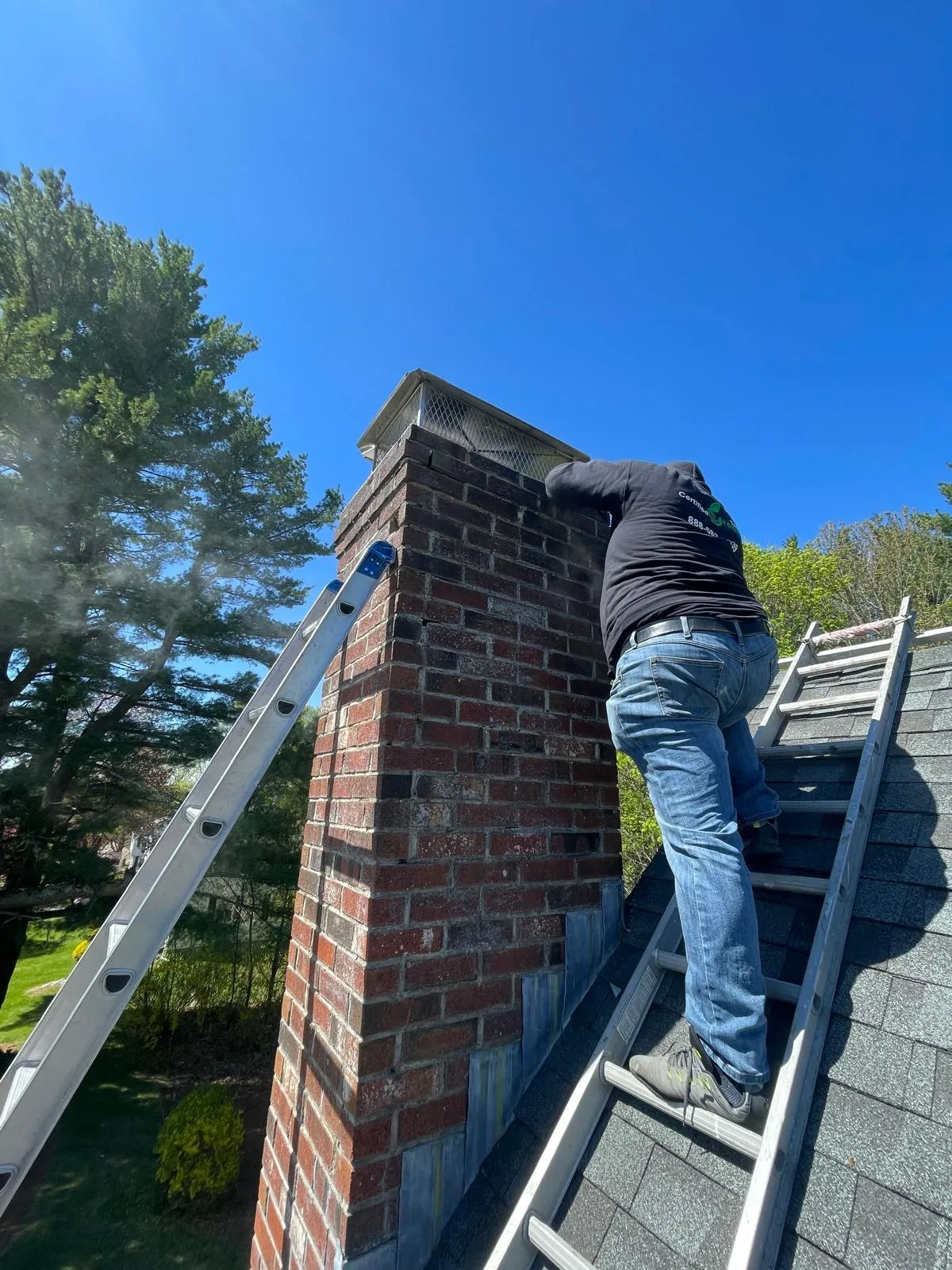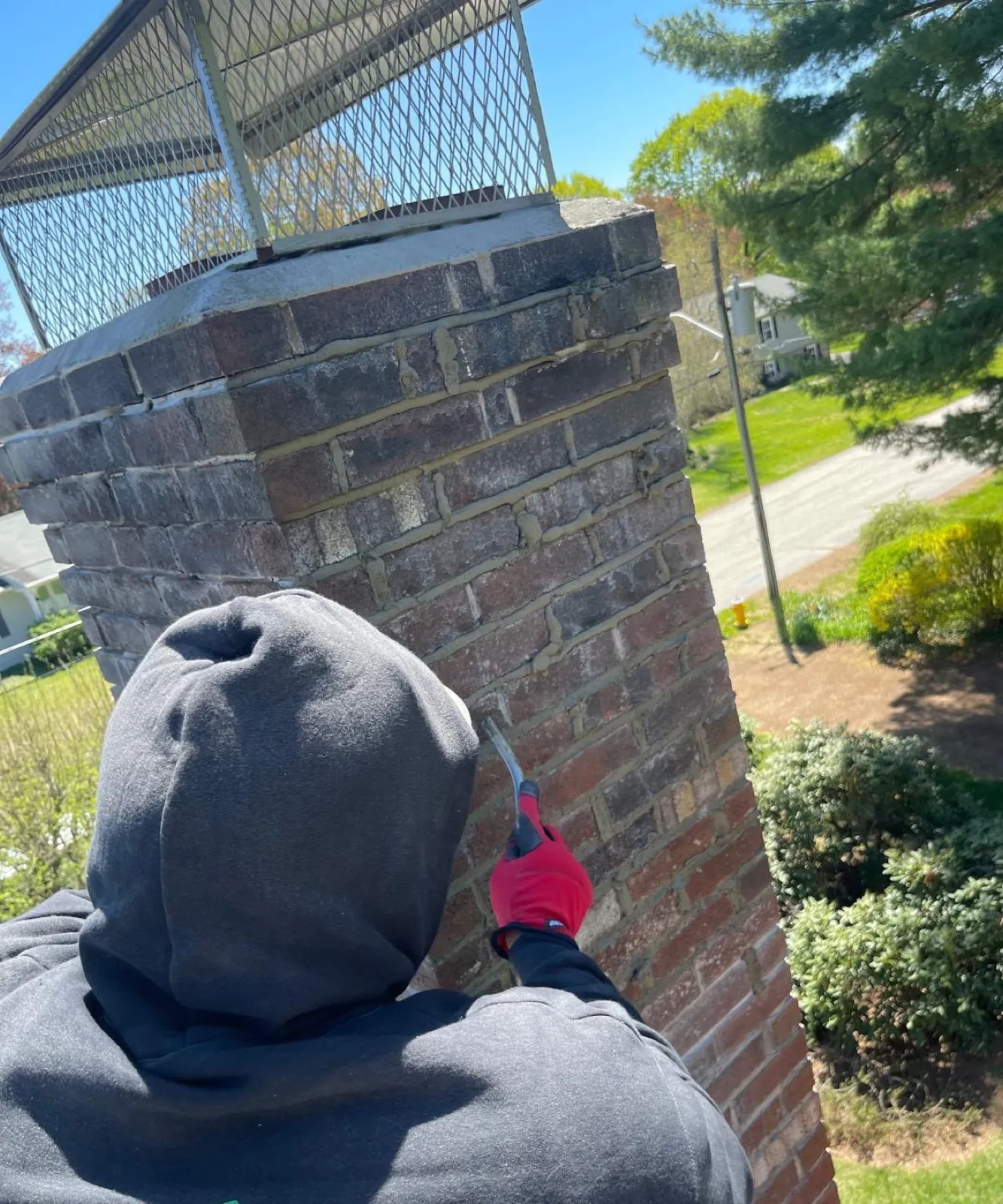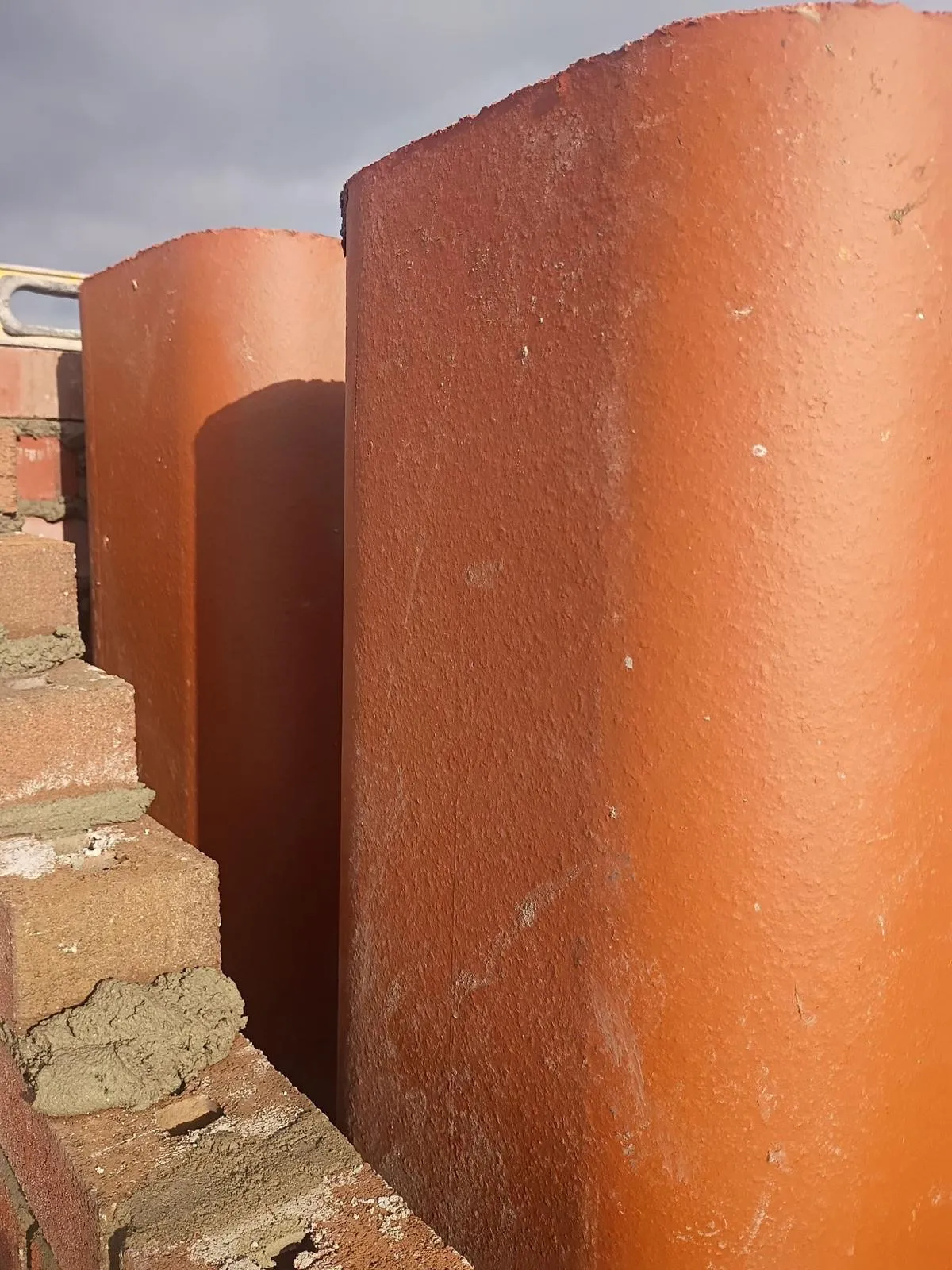

Your damper is the valve that controls everything moving through your chimney: heated air, smoke, and outside weather. When it sticks, rusts in place, or stops sealing, conditioned air leaks out around the clock and your fireplace gets harder to use. Quick Chimney technicians repair and replace throat and top-mount dampers in homes nationwide, restoring easy operation and a snug close.
What is included
- Full damper evaluation covering the plate, frame, and hardware
- Freeing and lubricating stuck or stiff mechanisms
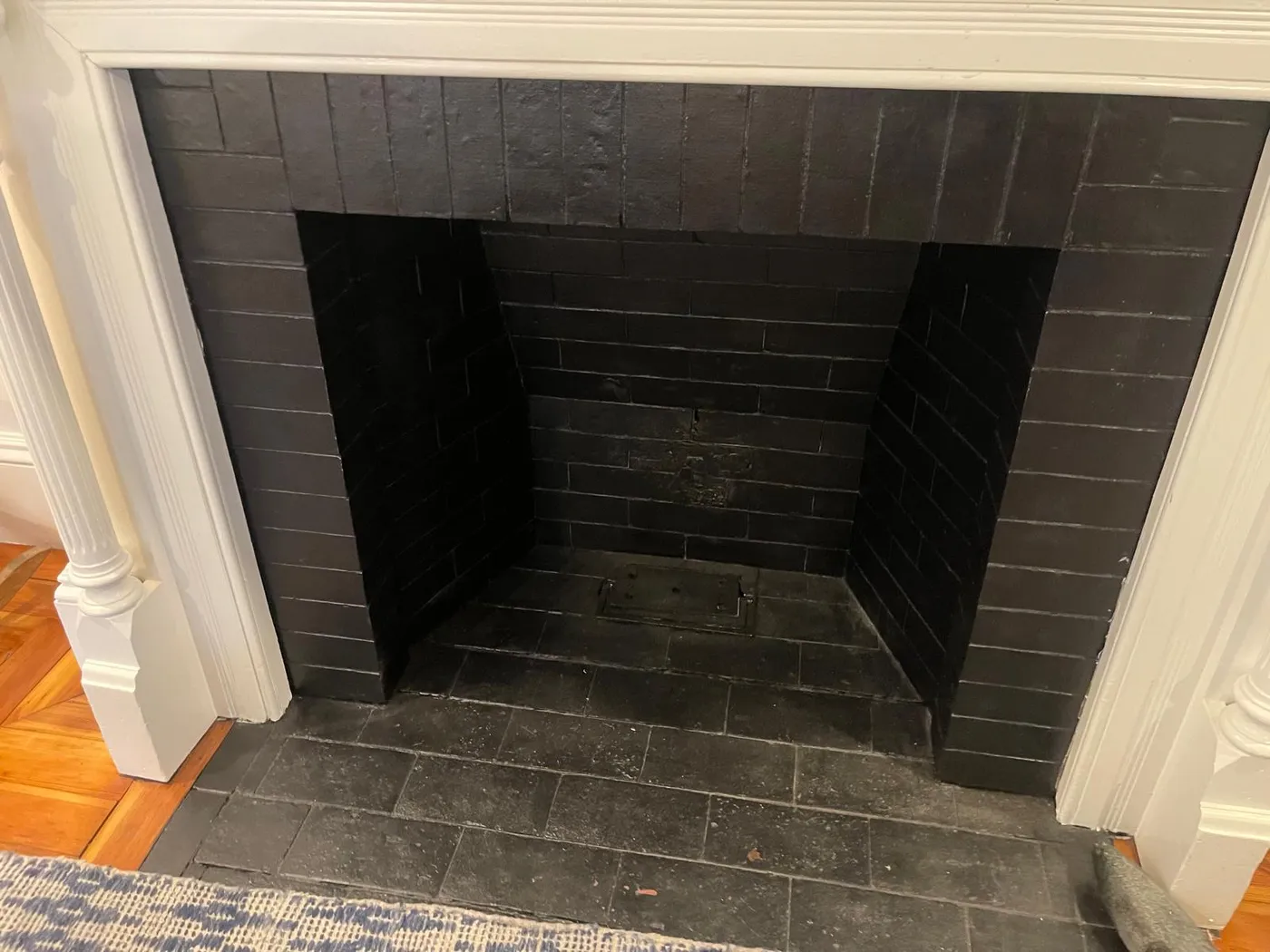
- Replacement of corroded or damaged throat dampers
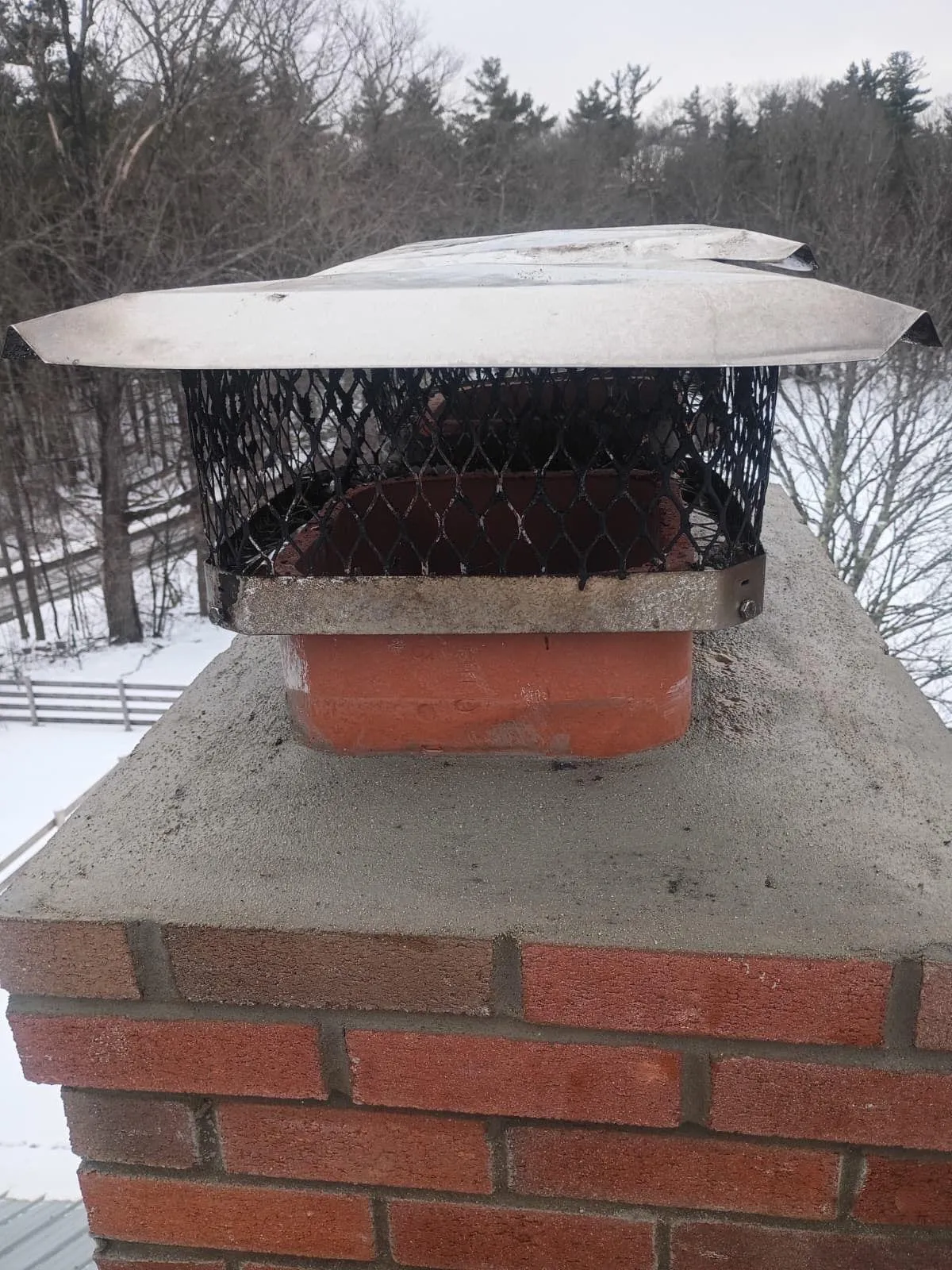
- Top-mount damper installation for a weathertight close
- New gaskets and seals where old ones have failed
- Operation and airflow testing before the job is done
Signs you might need this
- You have to force the handle or lever to move it
- Cold air pours into the room when the fireplace is off
- The plate looks corroded, warped, or off its track
- Heating and cooling costs keep creeping upward
- Rain, debris, or animals are getting into the flue
Frequently asked questions
How do I know whether my damper needs repair or full replacement?
If the mechanism is stuck or stiff but the plate and frame are still sound, a repair usually does the job. When the metal is heavily corroded, warped, or no longer able to seal, replacement is the smarter path. Our technician inspects the damper in person and walks you through both options before any work begins.
What is the difference between a throat damper and a top-mount damper?
A throat damper sits just above the firebox and closes with a metal plate. A top-mount damper caps the flue at the top of the chimney and closes against a gasket, which also keeps out rain, animals, and falling debris. Many homeowners switch to a top-mount model when an aging throat damper wears out.
Can a faulty damper really affect my utility bills?
Yes. A damper that no longer seals leaves an open channel between your living space and the outdoors, so conditioned air escapes in every season. Restoring a tight close is one of the simplest ways to stop that loss.