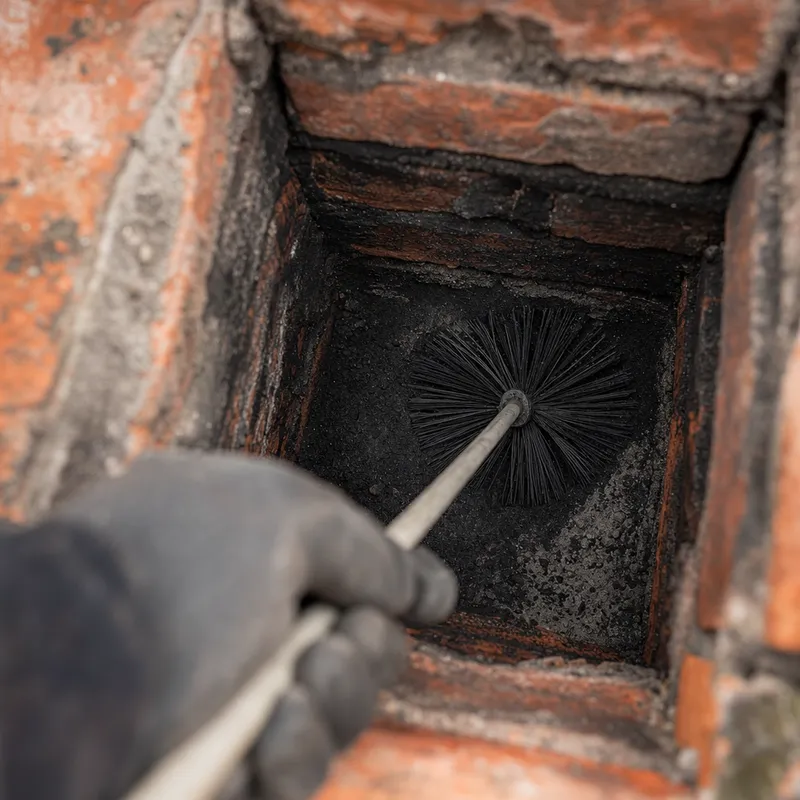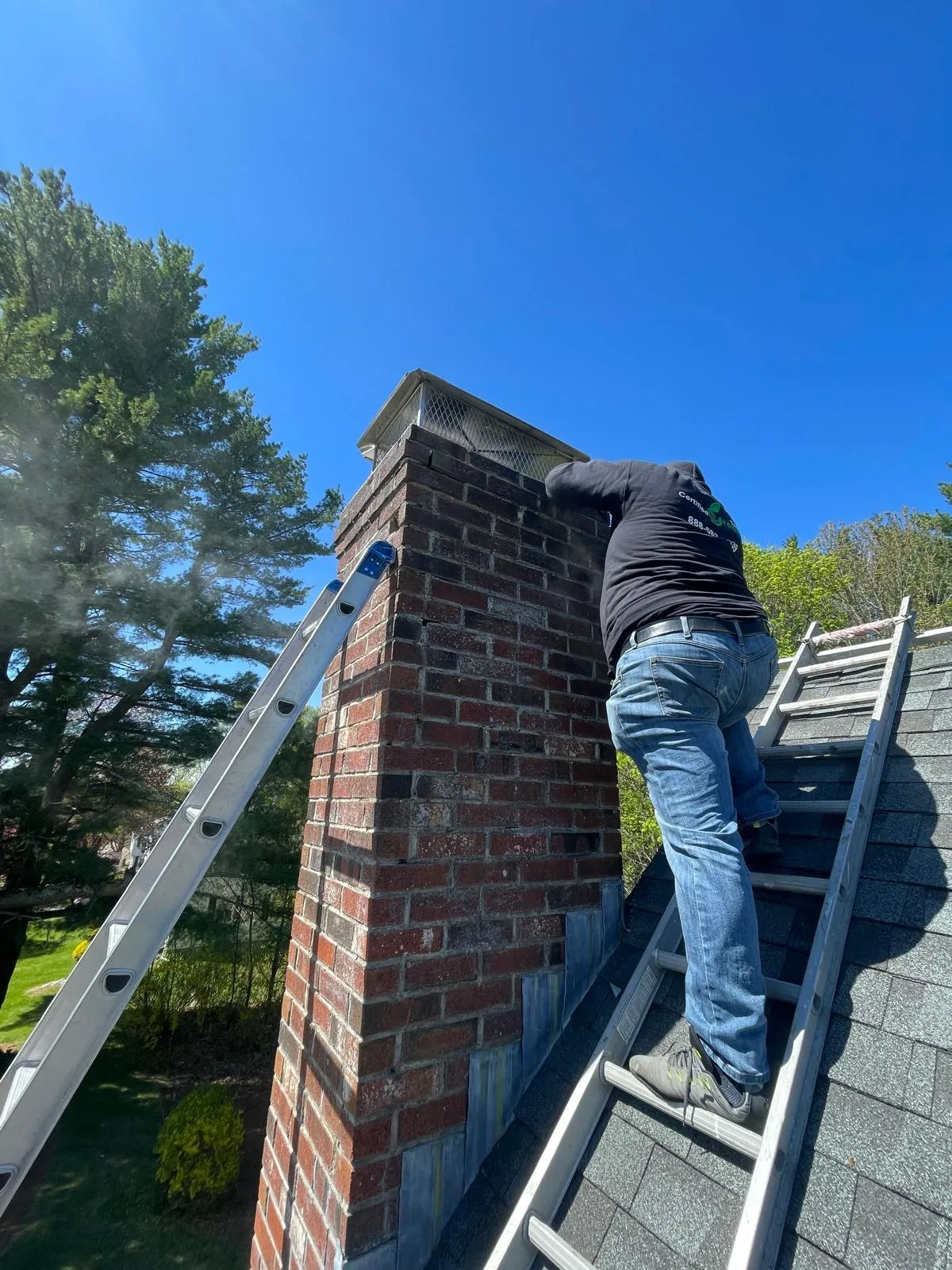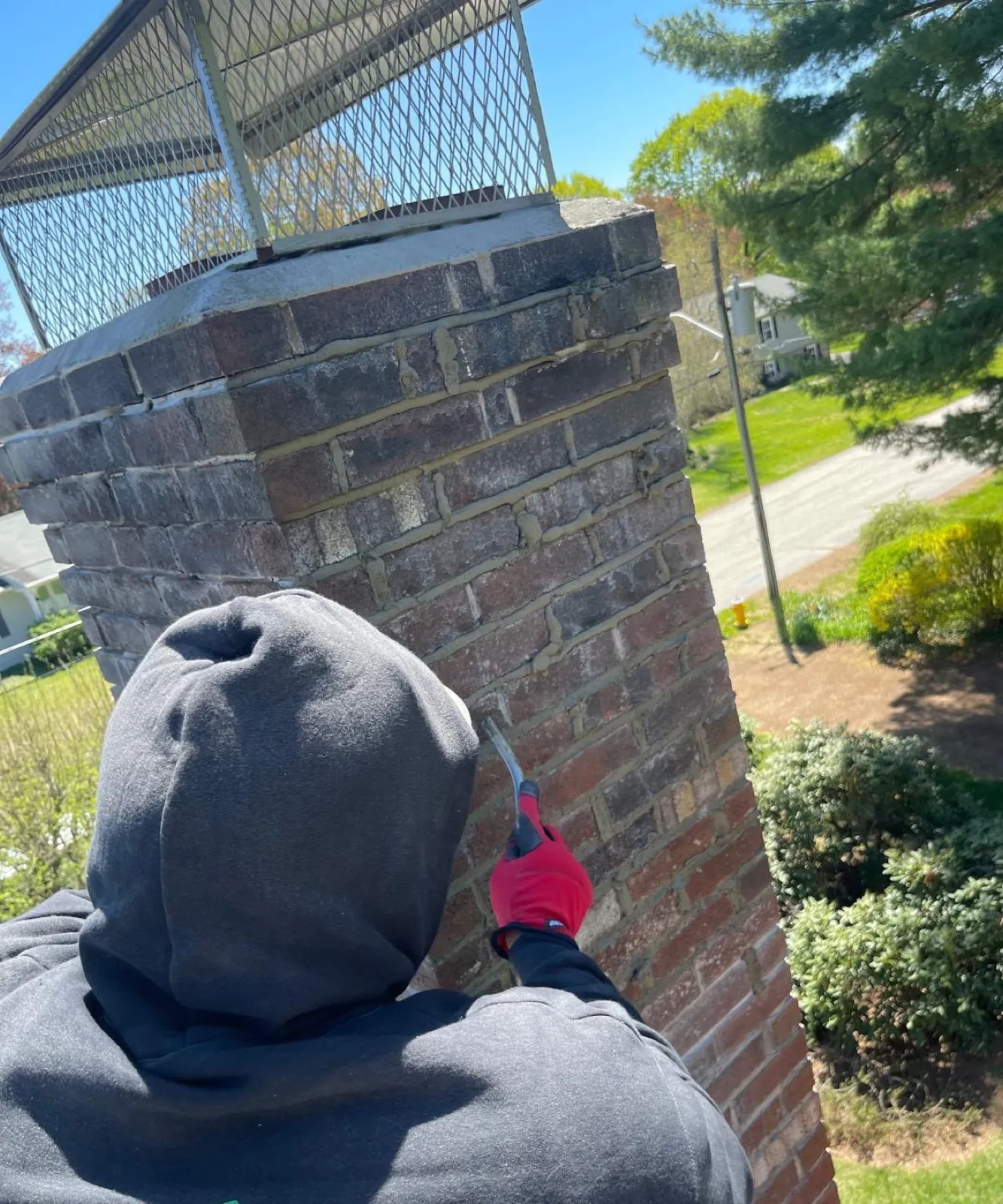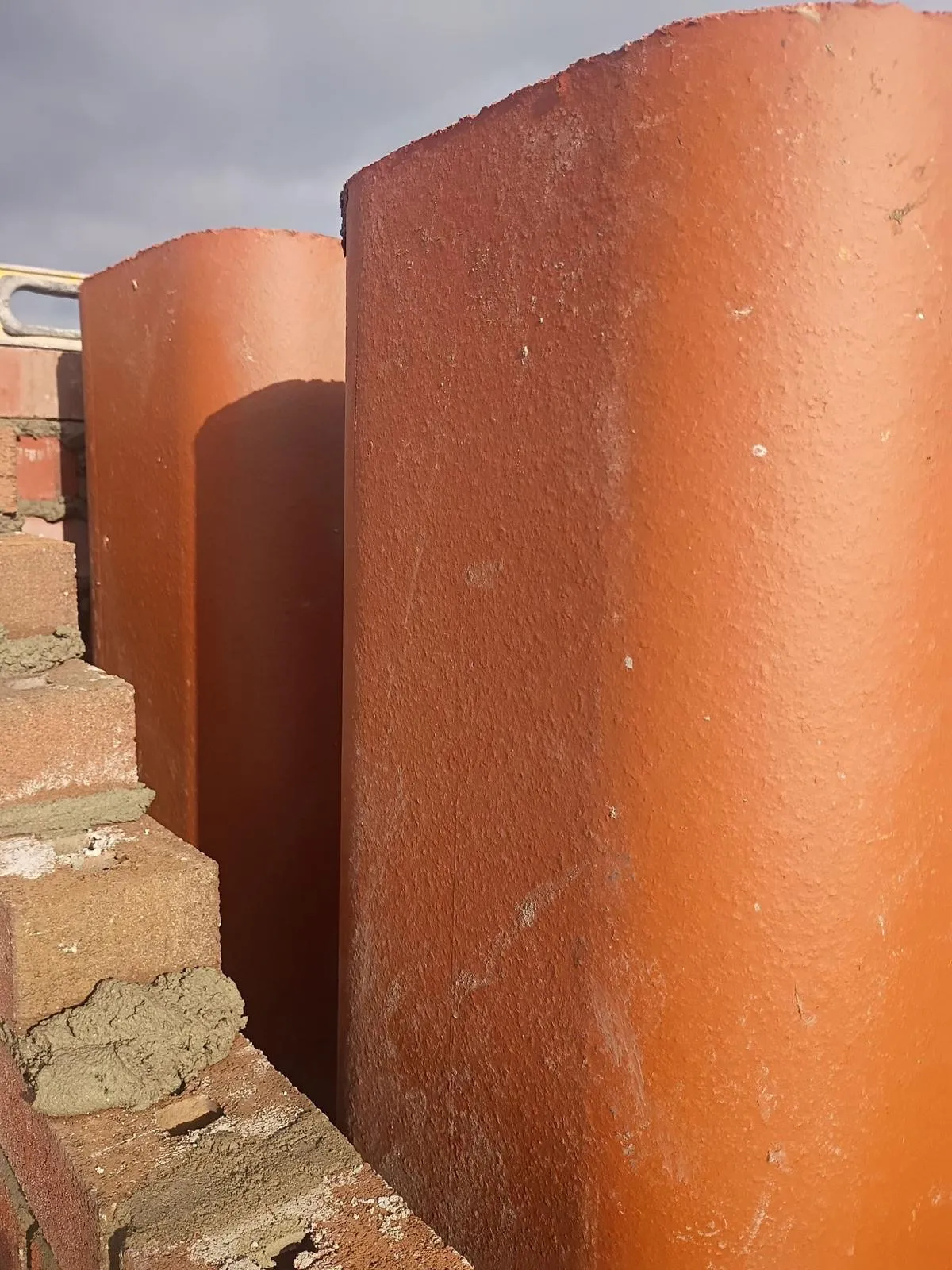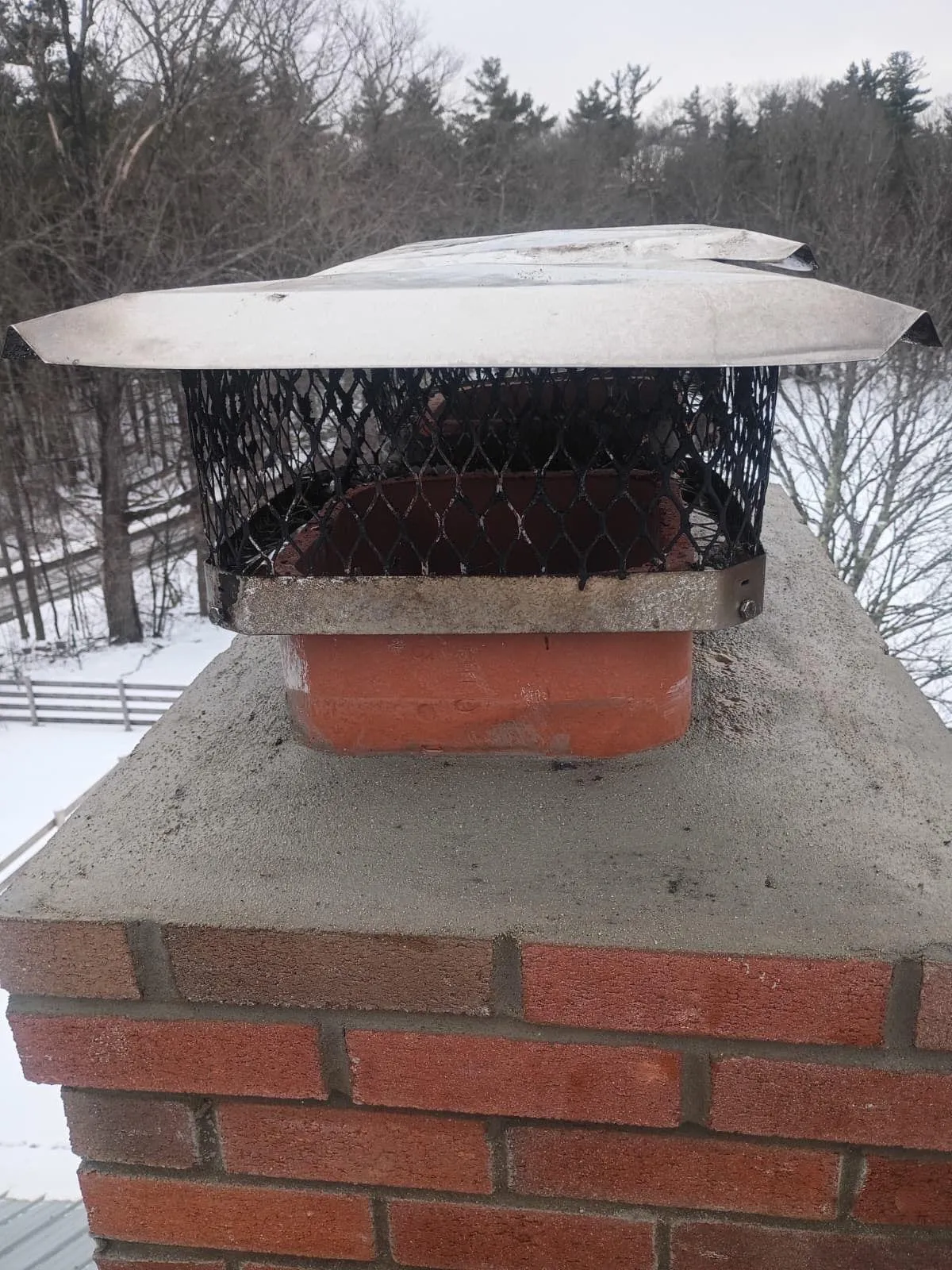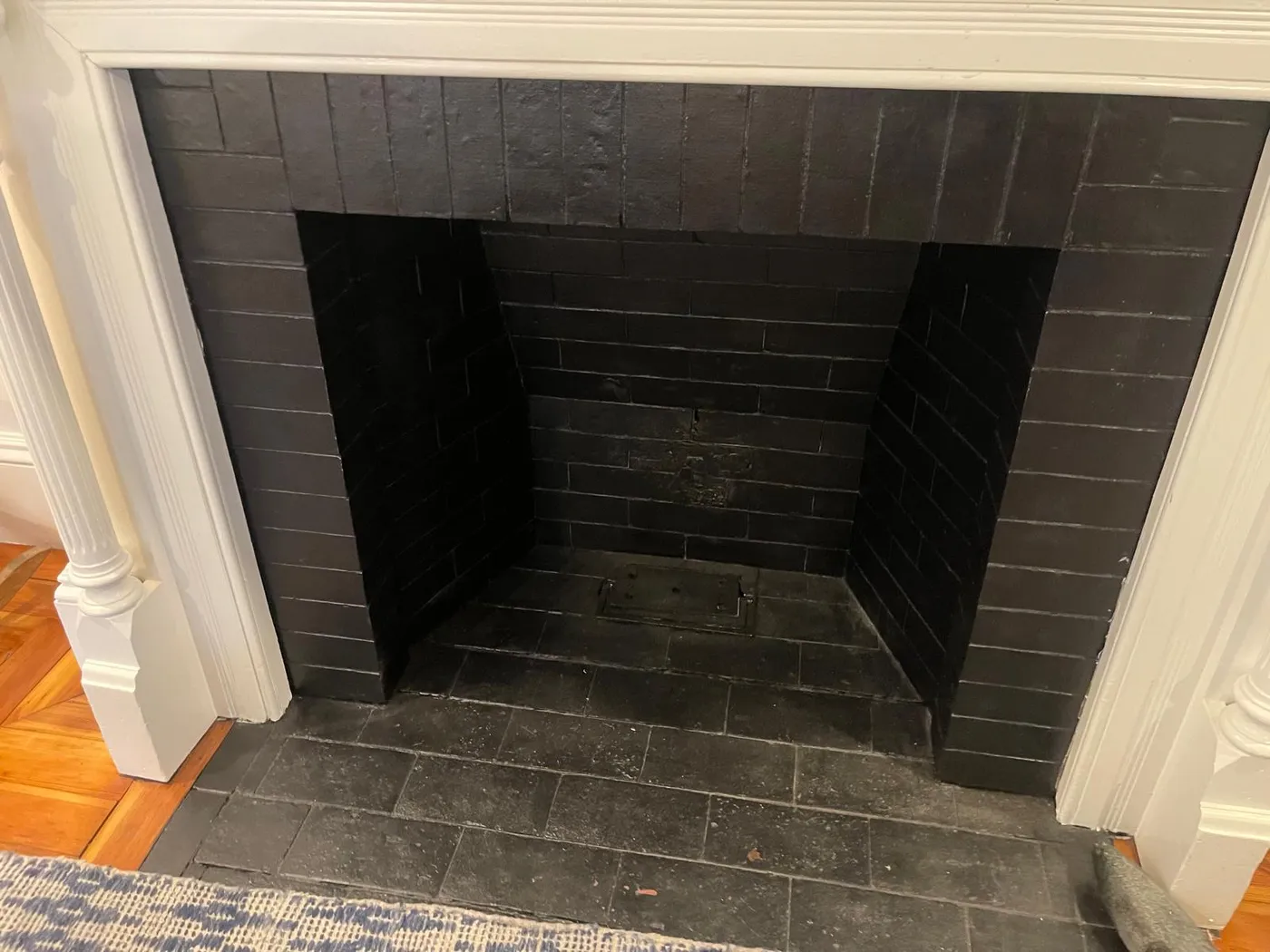
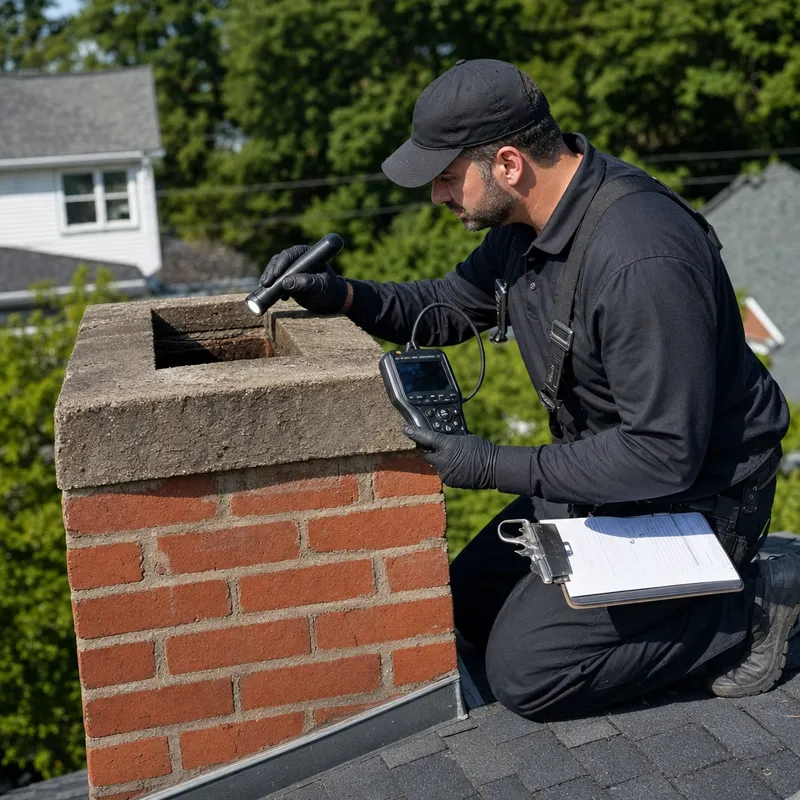
A Level 3 inspection is the most in-depth evaluation a chimney can get, reserved for situations where a Level 1 or Level 2 inspection points to a serious hazard hidden behind walls, finishes, or masonry. When the only way to confirm the problem is to open up concealed areas, this is the inspection that does it. Quick Chimney handles Level 3 inspections for homeowners across the USA, and nothing gets opened without walking you through why first.
What is included
- A full review of the Level 1 or Level 2 findings that triggered the deeper look
- A clear access plan covering exactly what needs to be opened and why, agreed on before work starts
- Careful opening of only the areas needed, whether that means a chase cover, interior finish, or section of masonry
- Hands-on examination of the concealed flue, smoke chamber, framing clearances, and surrounding structure
- Photos and plain-English documentation of every condition found
- A straightforward rundown of what was uncovered, how serious it is, and what comes next
Signs you might need this
- A Level 1 or Level 2 inspection flagged a suspected hazard that can't be confirmed from the outside
- Your chimney has been through a chimney fire, lightning strike, or building shift
- Heat, smoke odor, or scorch marks are showing up on walls or ceilings near the chimney
- Cracking or damage appears to continue into areas no camera or flashlight can reach
- An inspector, insurer, or buyer has called for the most thorough chimney evaluation available
Frequently asked questions
How is a Level 3 inspection different from Level 1 or Level 2?
Levels 1 and 2 are visual inspections; even a camera scan only shows accessible surfaces. A Level 3 inspection goes further by removing components or opening concealed areas of the chimney or building, and it's only performed when an earlier inspection indicates a serious hidden hazard that can't be verified any other way.
Will my home be torn apart?
No. The whole point of the access plan is to open as little as possible. Your technician identifies the specific spots that need to be reached, explains the reasoning, and gets your approval before anything is removed. You'll also get clear guidance on restoring the opened areas once the inspection is complete.
Do I actually need a Level 3 inspection?
Only when there's real evidence pointing to a concealed problem, such as suspected fire damage, hidden flue deterioration, or structural movement. It is not a routine service, and if a Level 2 inspection can answer the question, that's what we'll recommend instead.