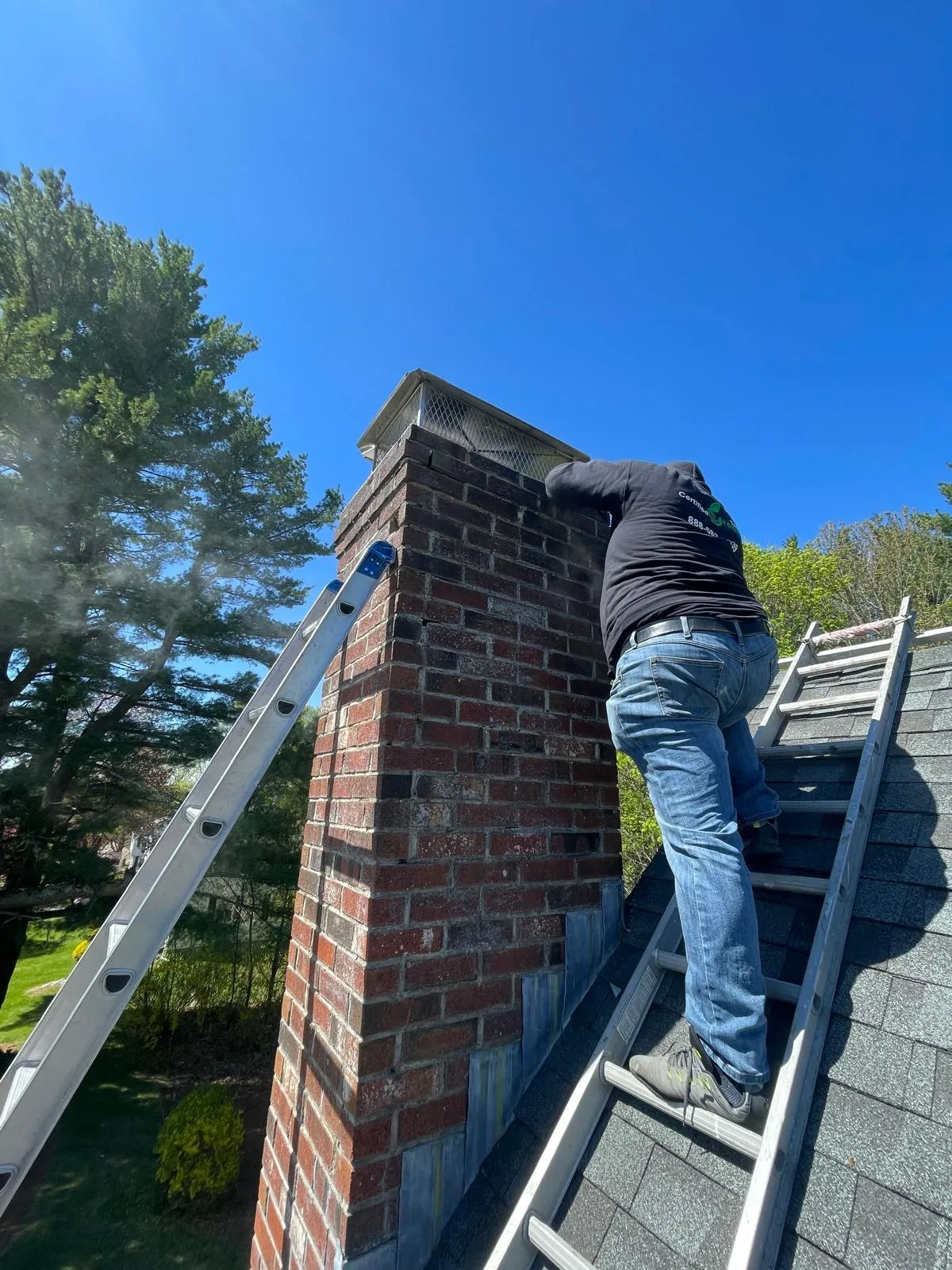
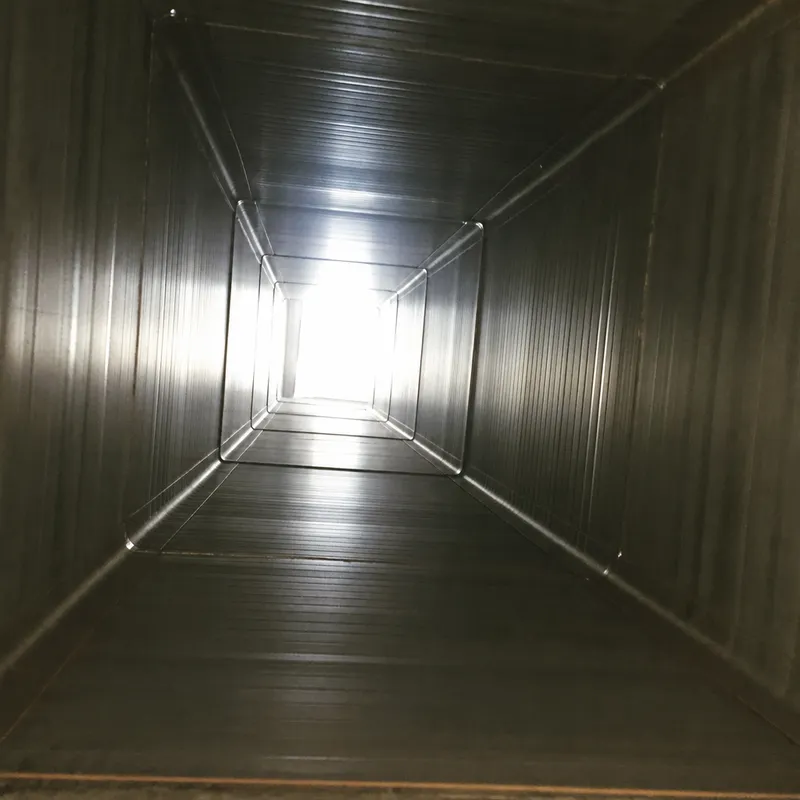
Your chimney liner is the protective barrier between hot flue gases and the structure of your home, and even small defects can let heat, moisture, and combustion byproducts go where they should not. When the damage is limited, a targeted repair can restore the liner without the cost and disruption of a full reline. Quick Chimney technicians assess the liner from top to bottom, repair what is broken, and tell you plainly if a repair is no longer the right call.
What is included
- Camera inspection of the full flue to locate cracks, gaps, and deterioration
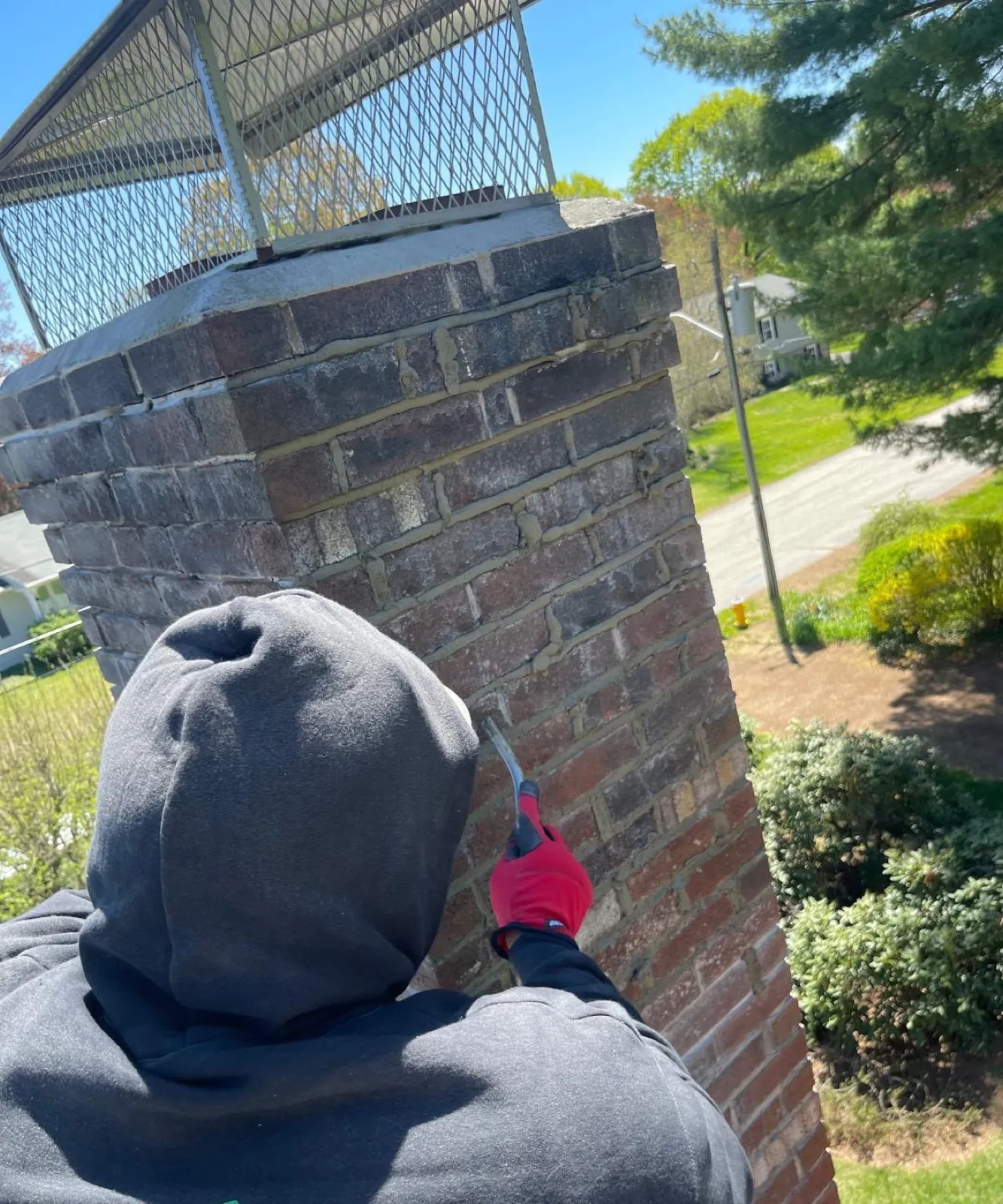
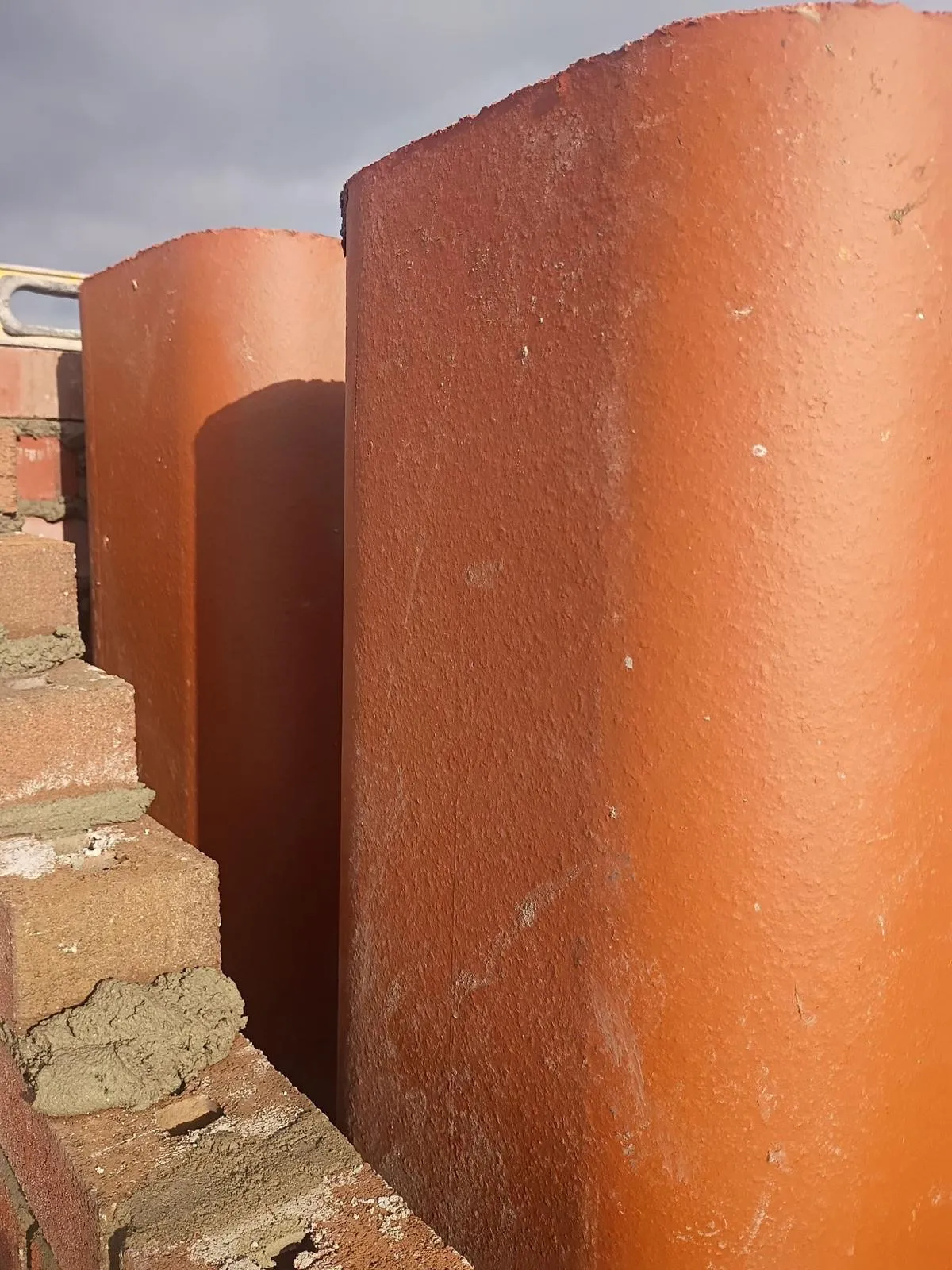
- Sealing of cracks and open mortar joints in clay tile liners
- Replacement of individual damaged or shifted flue tiles where accessible
- Patching and resealing of joints in metal liner systems
- Smoke and draft check after the repair to confirm the flue is venting correctly
- A clear written summary of the liner's condition and what was repaired
Signs you might need this
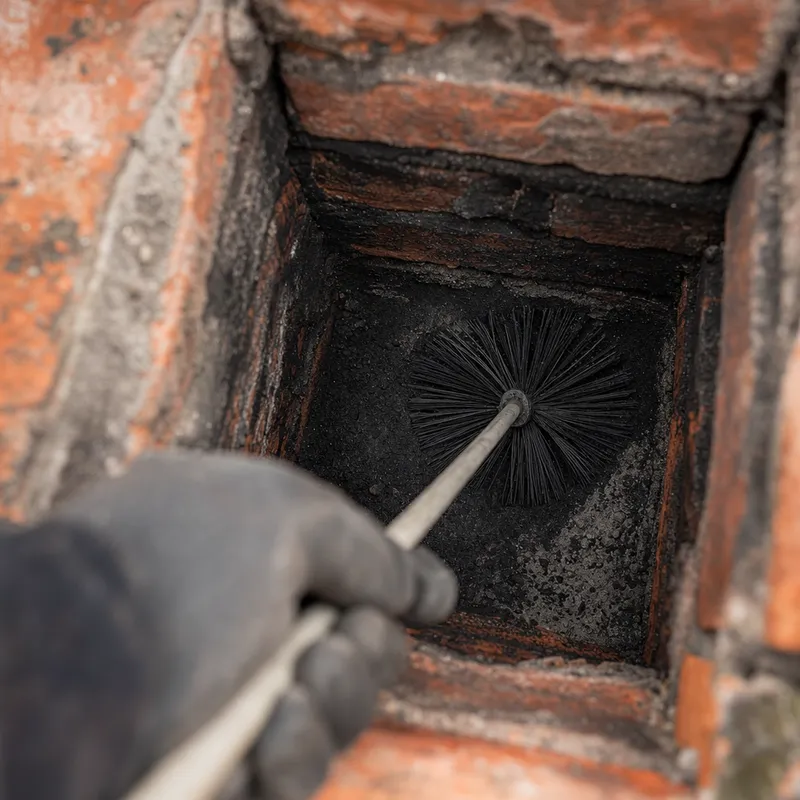
- Flakes or shards of clay tile collecting in the firebox or smoke shelf
- Visible cracks or gaps in the liner during an inspection or camera scan
- Smoke, odors, or staining showing up in rooms near the chimney
- Poor draft, with smoke backing into the home when you light a fire
- An inspection report flagging liner damage after a chimney fire or moisture problem
Frequently asked questions
How is liner repair different from relining?
Repair targets specific damage, such as sealing cracks, fixing joints, or replacing individual tiles, while the rest of the liner stays in service. Relining replaces the entire liner with a new system. If your liner is mostly sound, a repair can solve the problem at a smaller scope; if the damage runs the length of the flue, we will recommend a reline instead and explain why.
Is it safe to use my fireplace with a damaged liner?
We recommend against it. Gaps and cracks in a liner can let heat and combustion gases reach wood framing and other parts of the home, and they can disrupt draft. The safest move is to stop using the fireplace until the liner has been inspected and repaired.
How do you find damage inside a flue you cannot see?
We run a camera through the full length of the flue, which lets the technician view the liner walls and joints up close. You see what we see, so the recommendation to repair or reline is based on documented conditions, not guesswork.