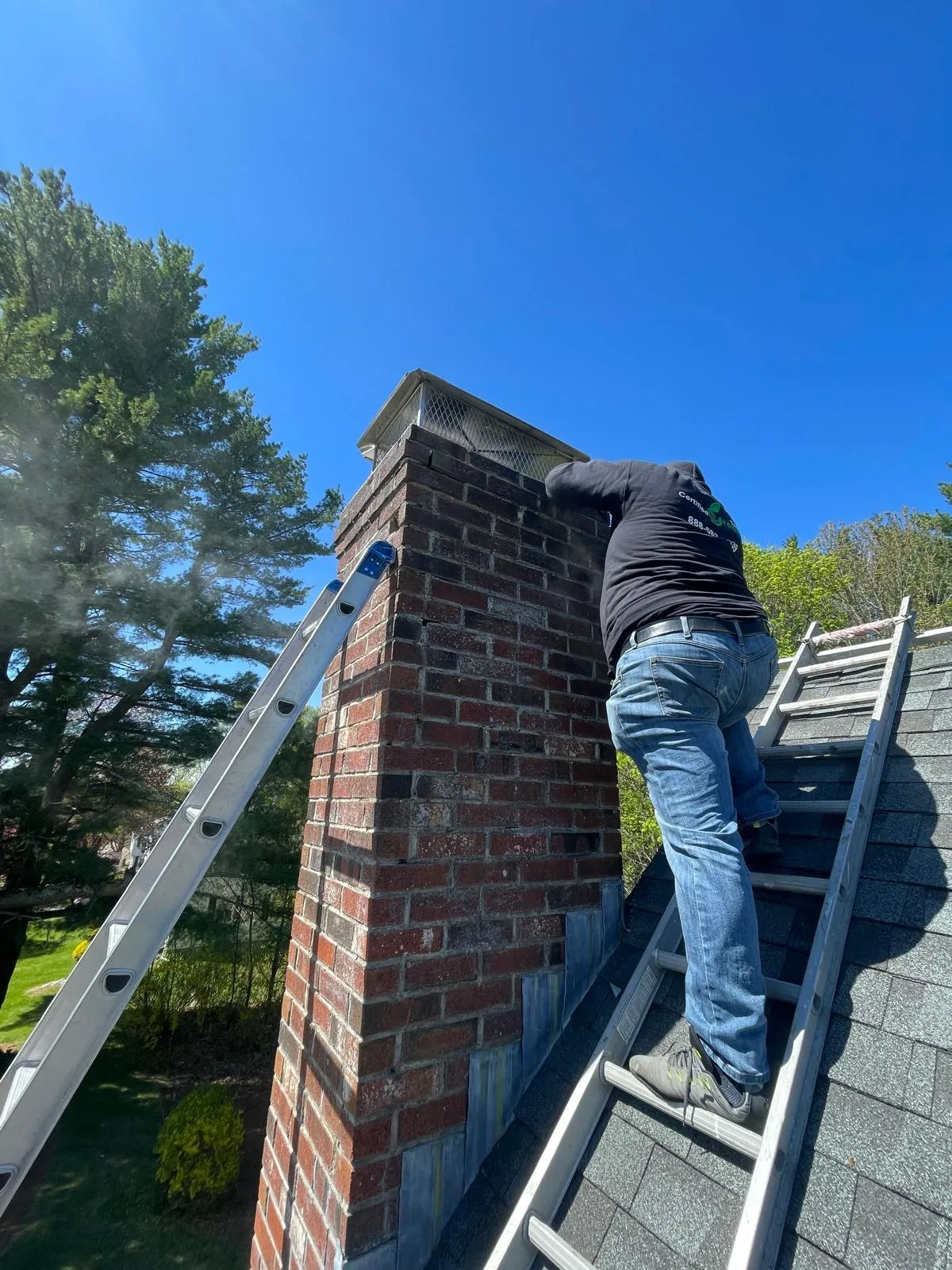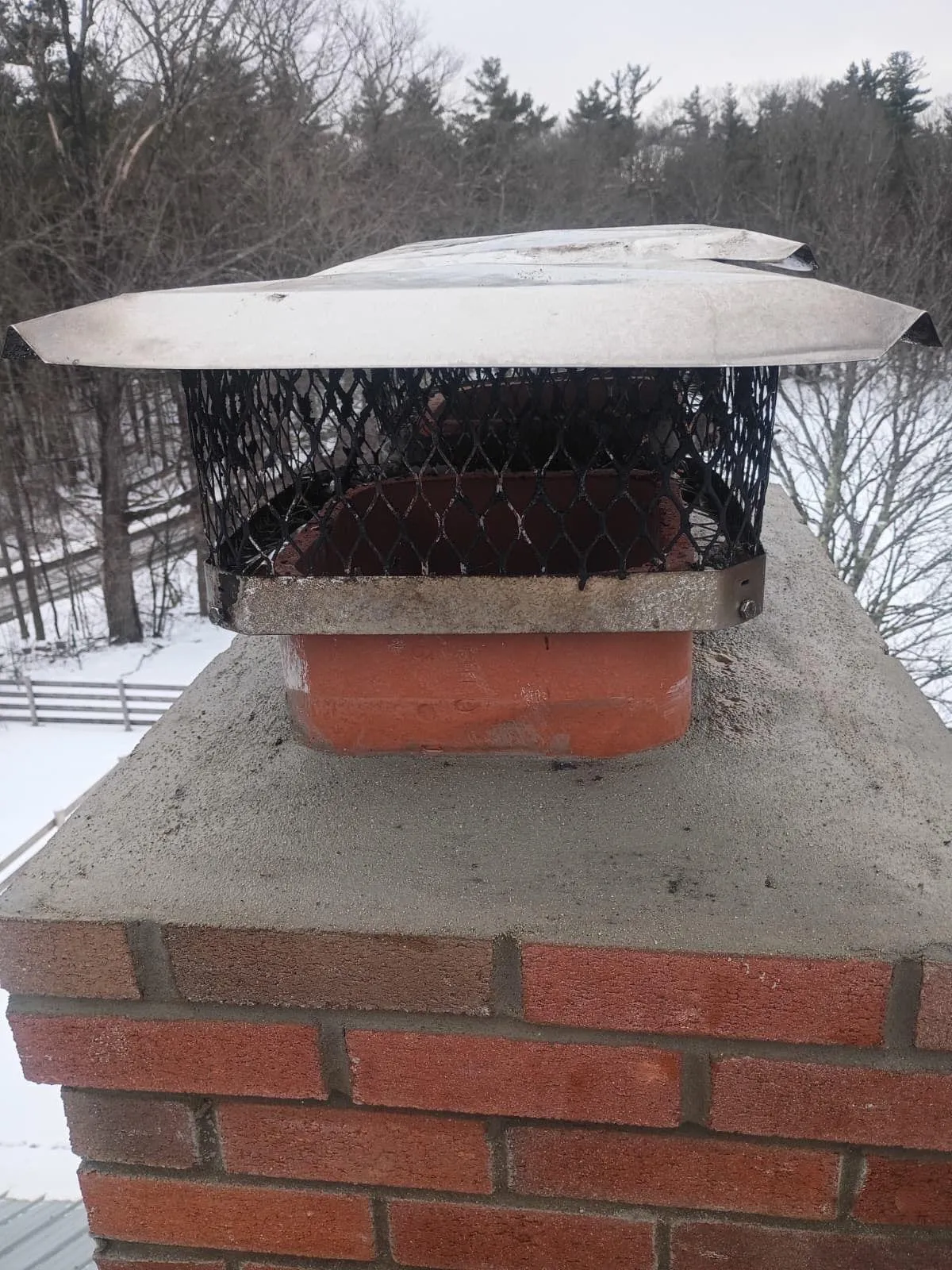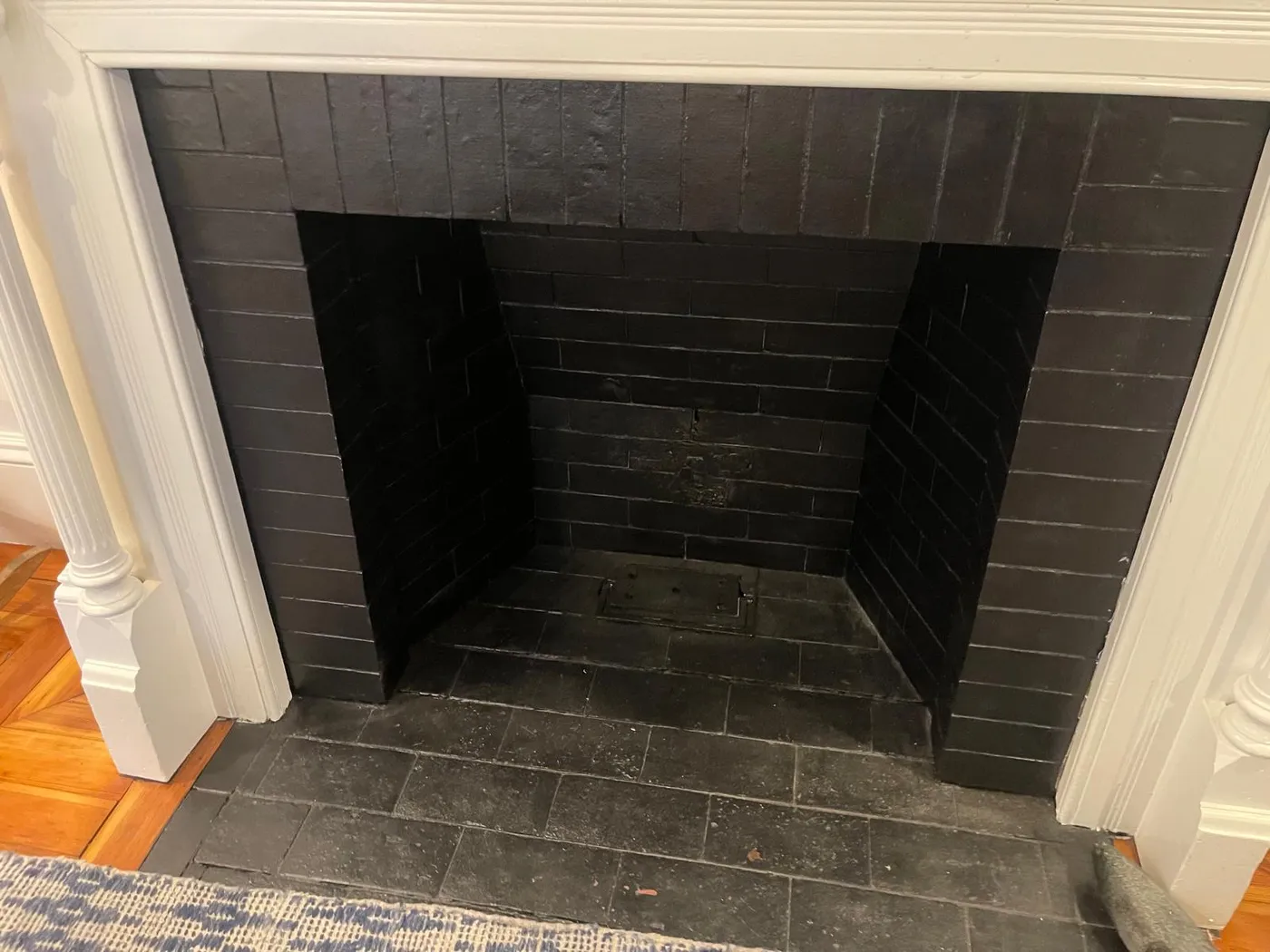
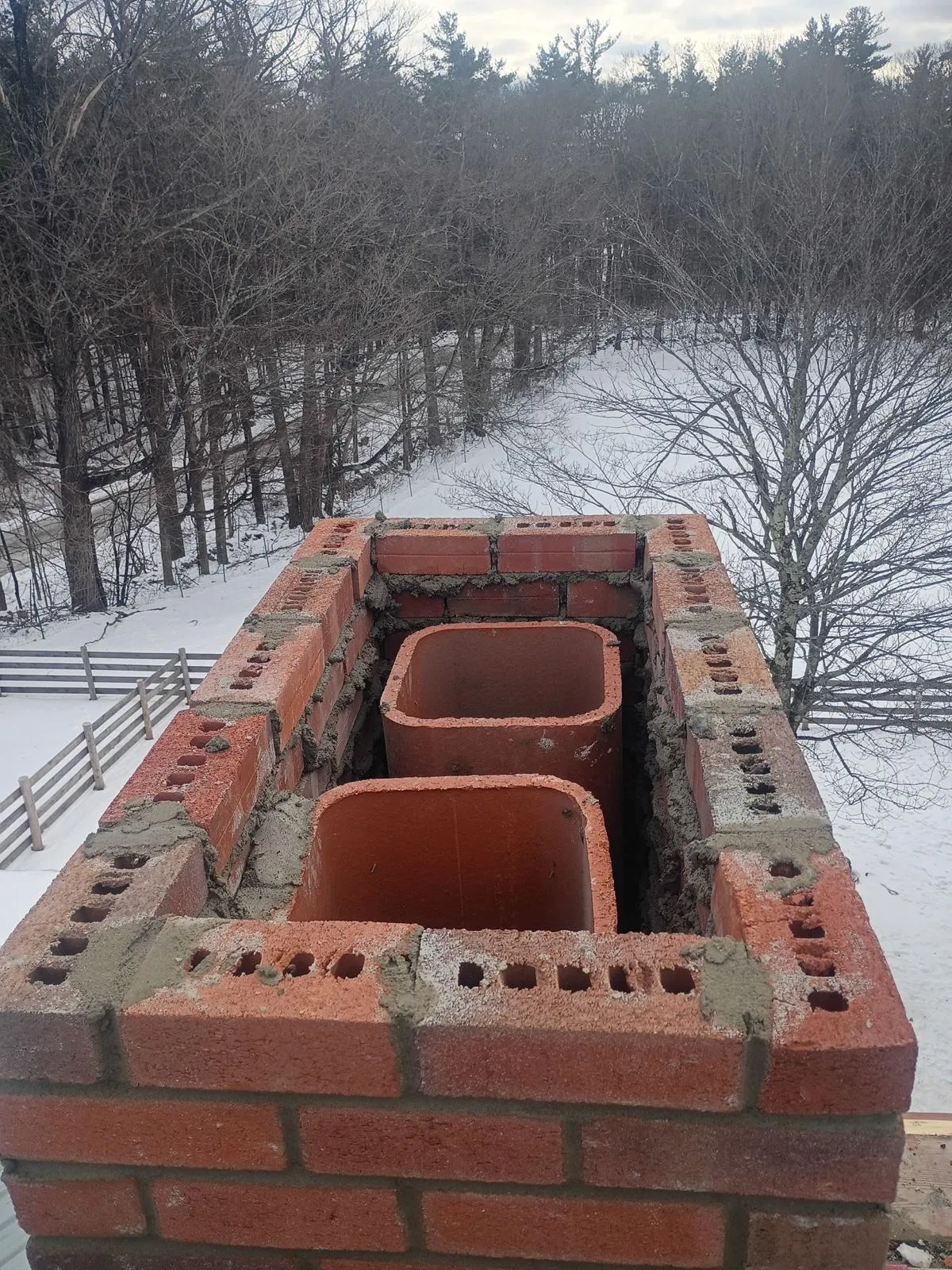
Older chimneys take a beating from decades of weather, settling, and use, and the damage rarely stays cosmetic for long. Chimney restoration addresses the whole structure, from the crown down to the firebox, so an aging chimney works the way it should. Whether your home is a few decades old or a true historic property, we plan the work around preserving its character while bringing the chimney back to safe, reliable condition.
What is included
- Full structural assessment of the chimney from crown to foundation
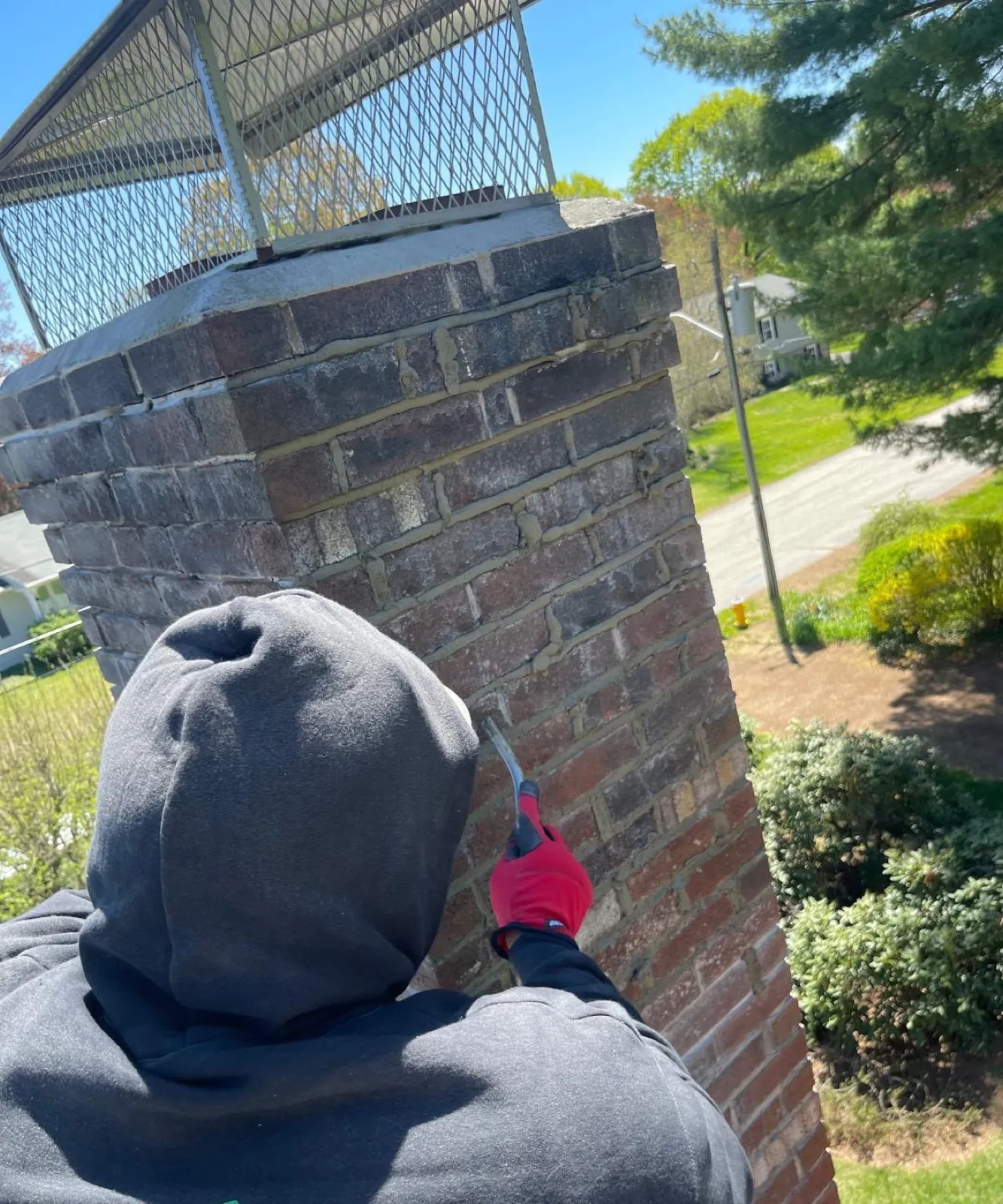
- Repointing and rebuilding of deteriorated brick and stone masonry
- Crown repair or replacement to stop water from entering the structure
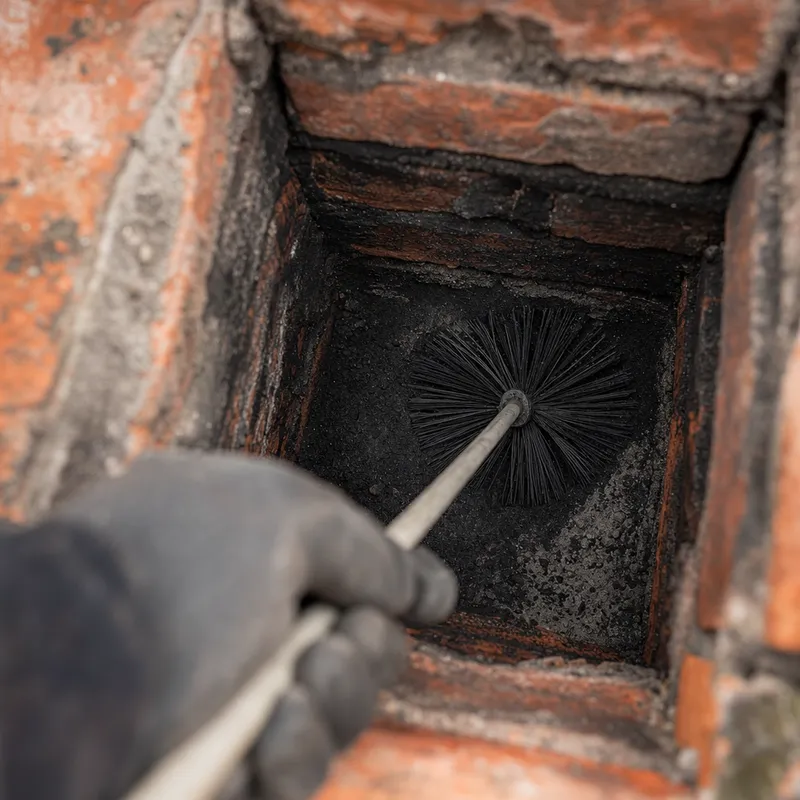
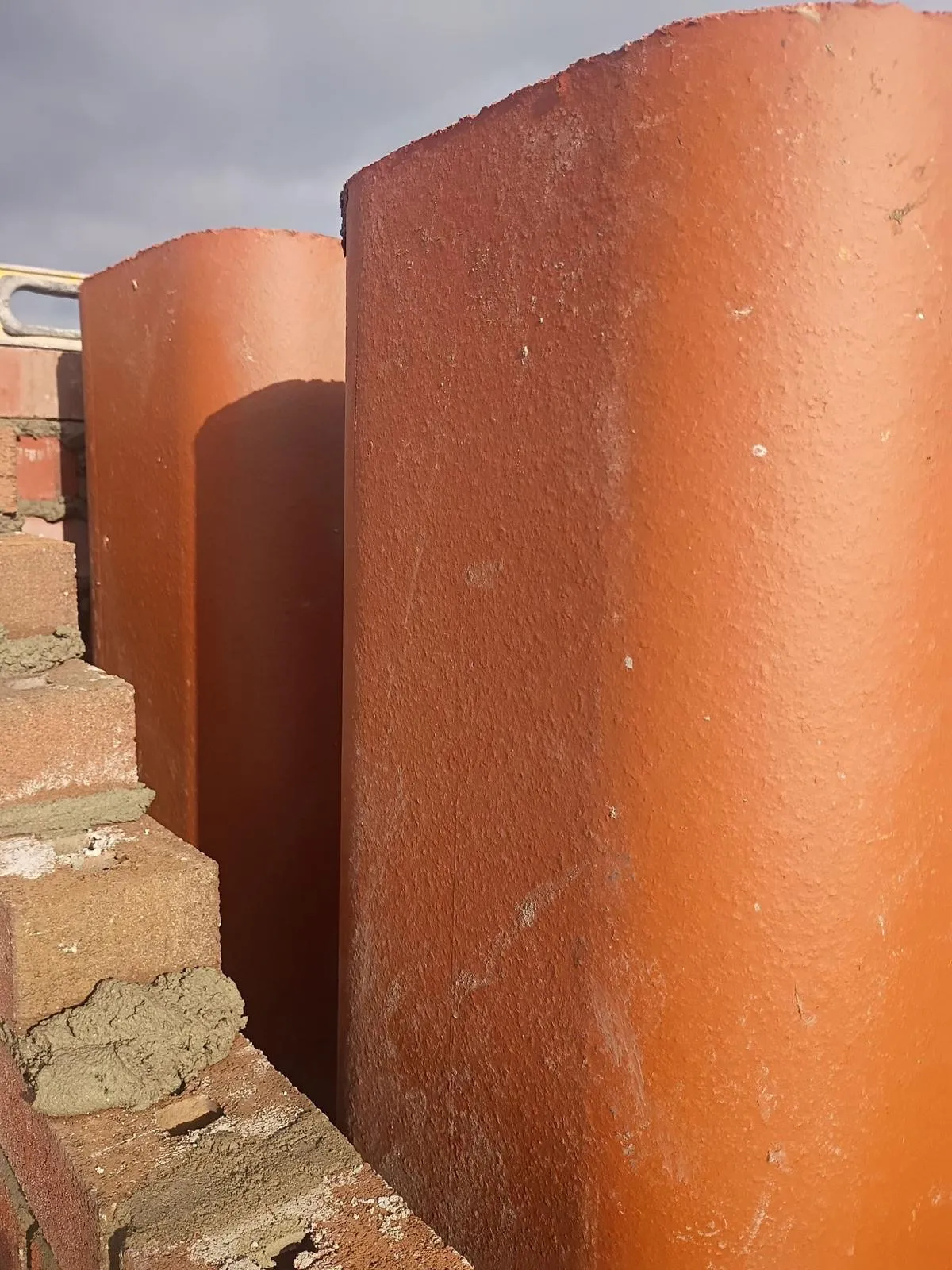
- Flue relining when the existing liner is cracked, gapped, or missing
- Matching of brick, stone, and mortar to keep the original look of older homes
- Waterproofing and flashing work to protect the finished restoration
Signs you might need this
- Crumbling, flaking, or missing mortar joints along the chimney exterior
- Loose, spalling, or fallen bricks around the roofline or in the yard
- Visible leaning, tilting, or separation between the chimney and the house
- Water stains, damp odors, or white staining on the chimney or nearby walls
- A fireplace that has been unused for years and has never been evaluated
Frequently asked questions
What is the difference between chimney repair and chimney restoration?
Repair fixes a specific problem, like a cracked crown or a few damaged bricks. Restoration is a comprehensive approach for older chimneys with widespread wear. It addresses the structure as a whole, including masonry, crown, liner, and waterproofing, so the chimney is brought back to sound working condition rather than patched piece by piece.
Can you restore a historic chimney without changing how it looks?
Yes. Preserving the original appearance is a core part of historic chimney work. We match brick size, color, and texture as closely as possible and use mortar that is compatible with older masonry, since modern mortar can actually damage softer historic brick. The goal is a chimney that looks original but performs like new.
Is it safe to use an old chimney before it is restored?
We recommend having any older or long-unused chimney inspected before lighting a fire. Hidden problems like a deteriorated liner or blocked flue are common in aging chimneys and may not be visible from inside the home. An inspection tells you exactly what condition the chimney is in and what restoration work, if any, it needs first.