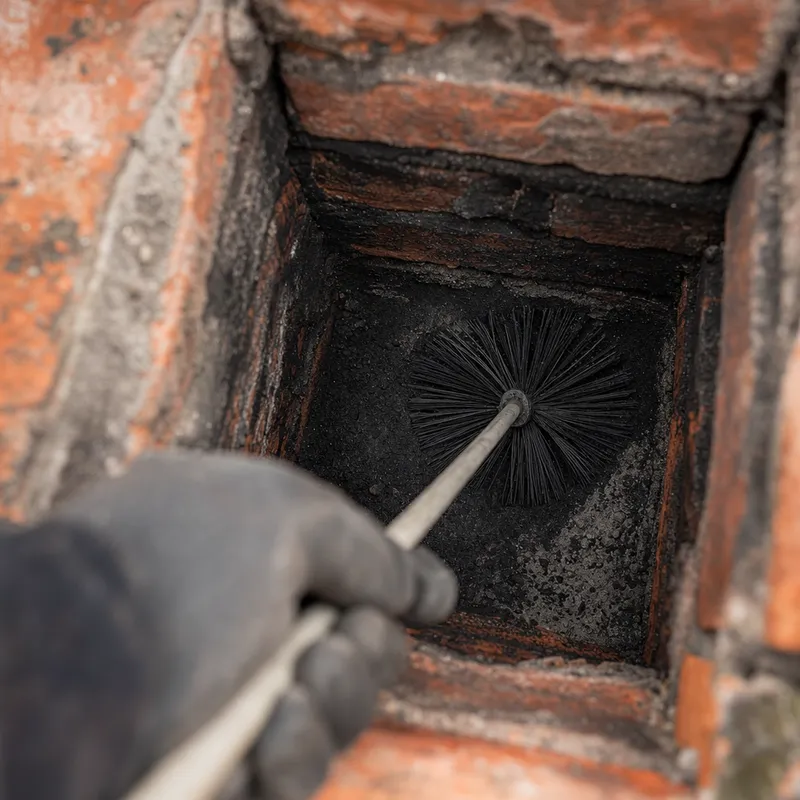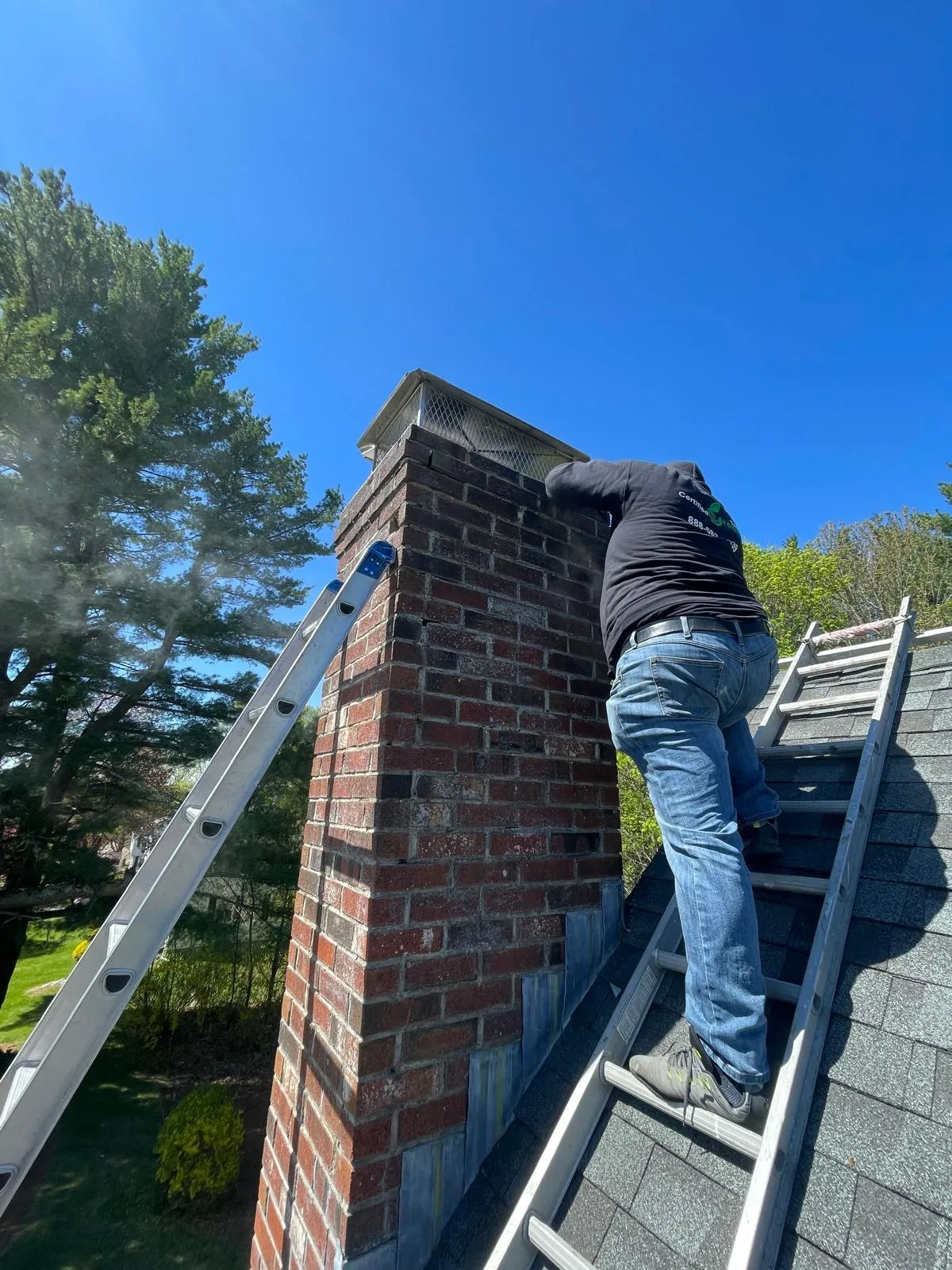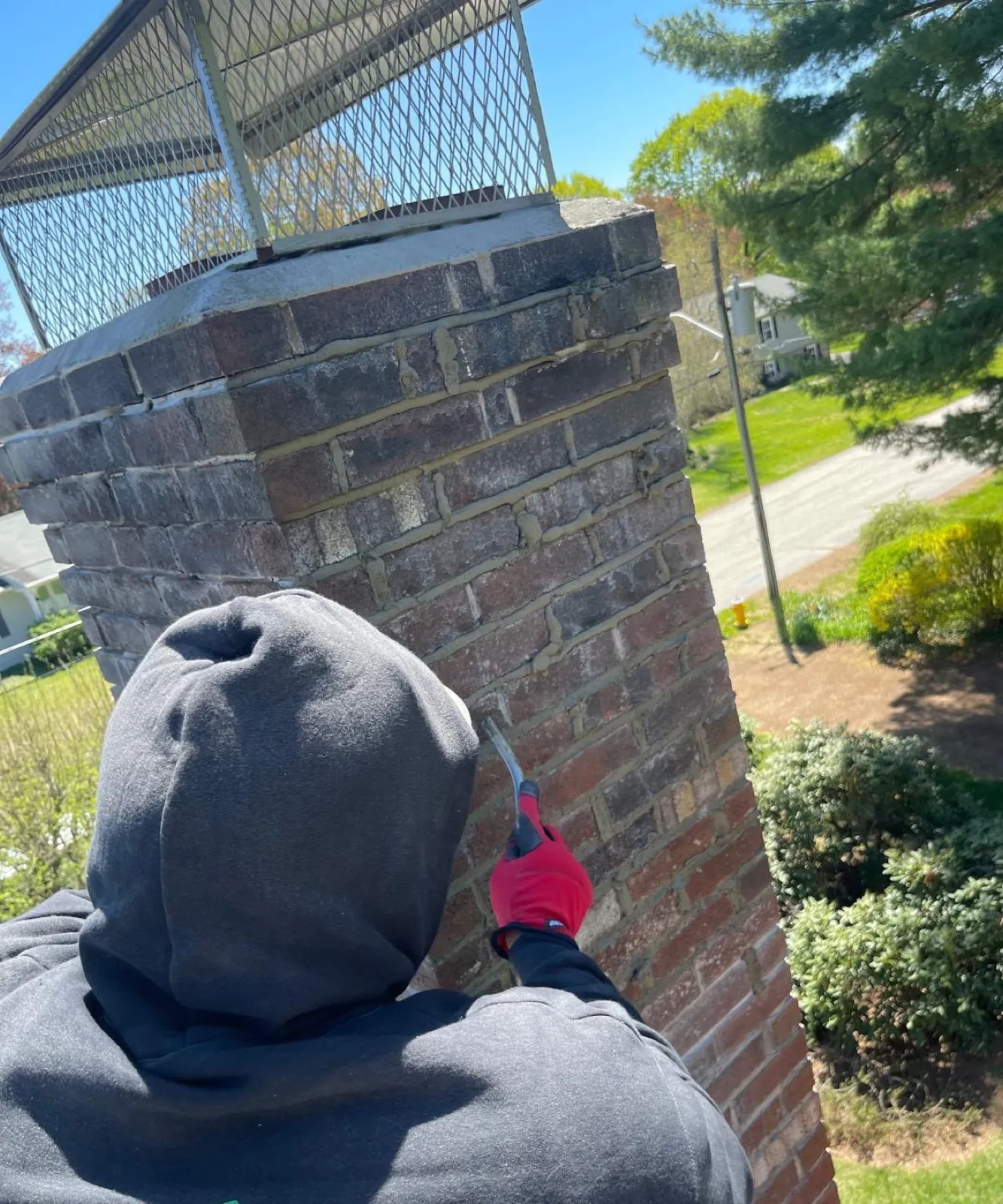
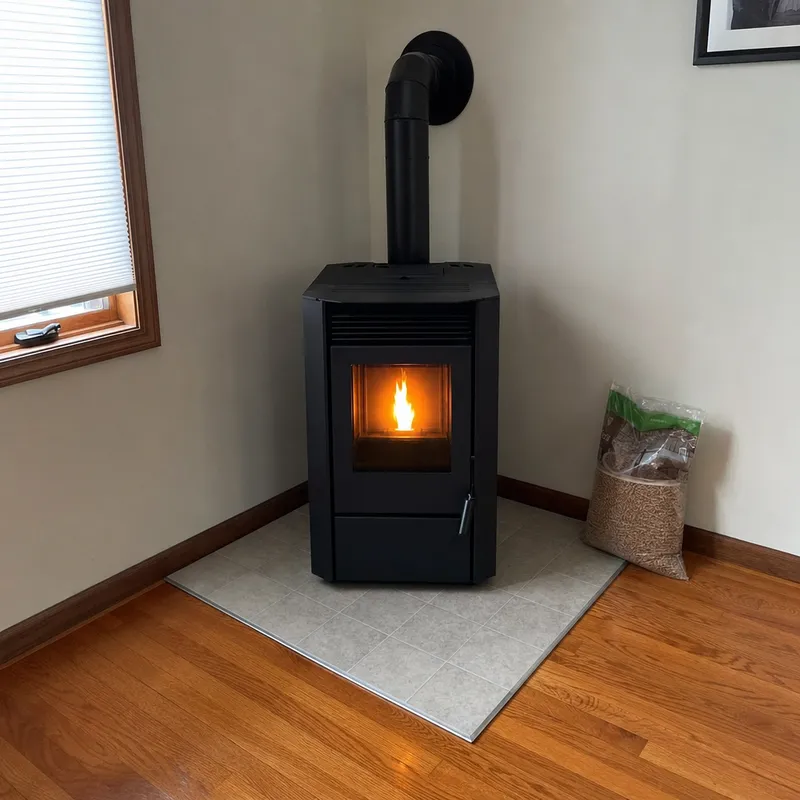
A pellet stove runs long hours through the cold months, and small problems with venting, gaskets, or airflow can quietly turn into safety issues or wasted fuel. A Quick Chimney pellet stove inspection goes over the whole setup, from the burn pot to the vent termination, and gives you a clear picture of how it's holding up. Book anywhere in the USA and count on fast response and tidy, professional work.
What is included
- Check of the burn pot, hopper, auger, and igniter for wear and buildup
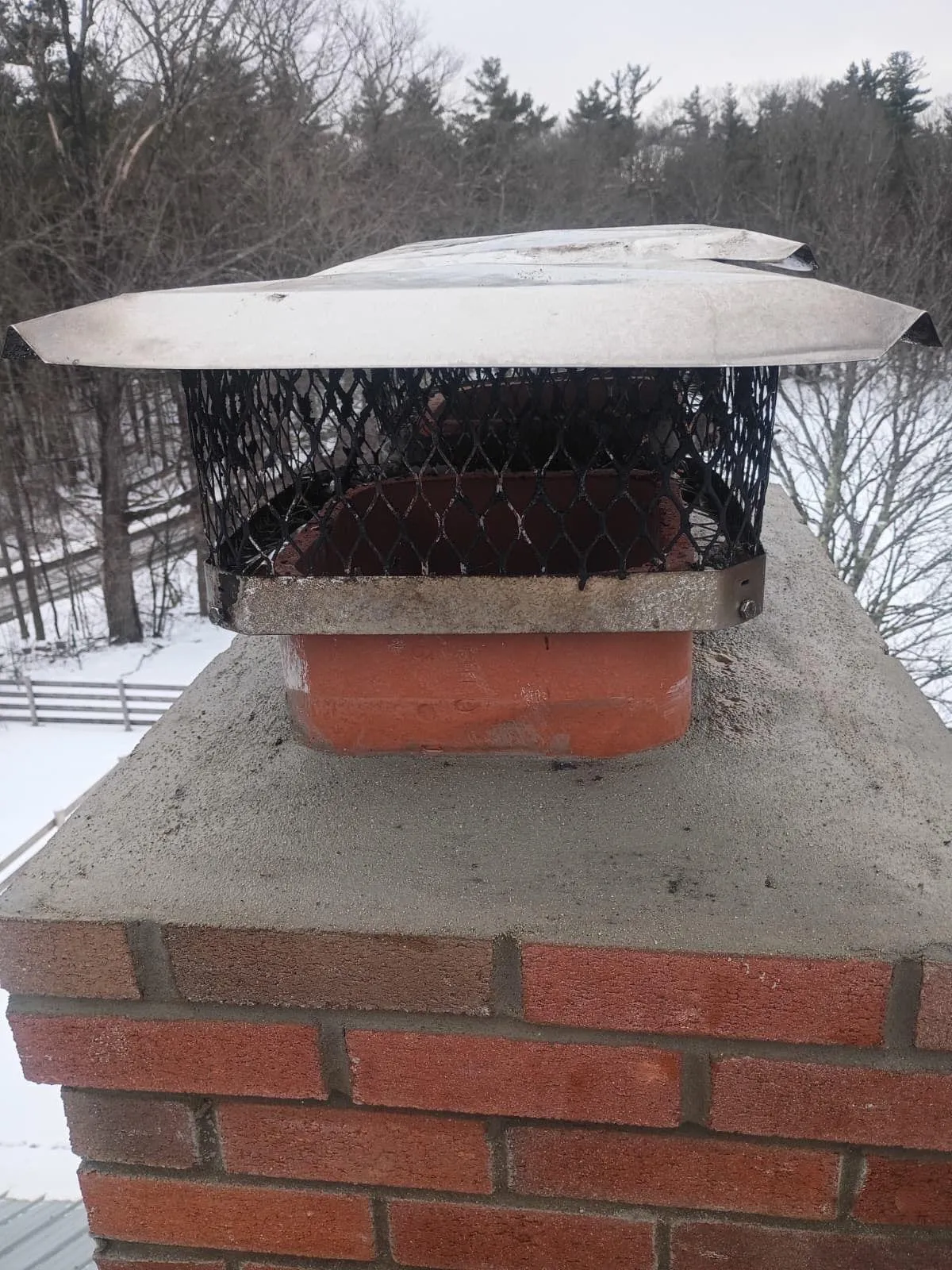
- Inspection of the exhaust venting from the stove to the outdoor termination
- Door and ash pan gasket check to confirm a tight seal
- Review of the stove's connections, clearances, and hearth protection
- Airflow check on the combustion and room blowers
- Photos and plain-English notes on anything that needs attention
Signs you might need this
- The flame looks lazy, dark, or smoky instead of bright and steady
- Ash or soot builds up on the glass or around the stove faster than usual
- The stove struggles to light or shuts down partway through a burn
- You notice a smoky or exhaust smell in the room while it runs
- It's been a year or more since anyone looked the stove over
Frequently asked questions
How often should a pellet stove be inspected?
Once a year is the standard, ideally before heating season starts. Pellet stoves log a lot of running hours, and the venting, seals, and moving parts all wear with use, so an annual check keeps small issues from becoming mid-winter breakdowns.
Is a pellet stove inspection different from a regular chimney inspection?
Yes. A pellet stove vents through its own dedicated pipe and relies on motors, sensors, and tight gaskets to burn safely, so the inspection focuses on the appliance and its venting rather than a masonry flue. We check the whole system as one unit, the way it actually operates.
What happens if the inspection finds a problem?
Your technician shows you photos of the issue and explains what it means, how urgent it is, and what fixing it would involve. You decide how to proceed; there's no pressure to commit on the spot.